Curriculum-Aligned Learning Experience
6th Grade
Hours
Schedule tailored to you.
Bookings beyond business hours.
Connect for details.
ADDRESS
5181 DeSoto Caverns Parkway
Childersburg, AL 35044
PHONE
256.378.7252
sales@majesticcaverns.com
Designed for Sixth Grade Learners
Sixth grade students are transitioning into more advanced abstract thinking. They are learning to evaluate evidence, analyze patterns across time and space, and explain large-scale systems using data.
The Sixth Grade experience at Majestic Caverns is intentionally designed to support students as they:
• Analyze how geologic processes shape Earth over time
• Use evidence to explain plate motion and fossil distribution
• Evaluate cause and effect across natural systems
• Examine early 20th-century cultural and economic transformation
• Analyze how innovation reshapes societies
During their visit, students connect real-world geological formations and historical narratives to the broader systems they are studying in class.
This experience strengthens classroom instruction by allowing students to:
• Observe large-scale Earth systems in a real environment
• Evaluate geological evidence within rock formations
• Connect fossil patterns to plate tectonics
• Examine historical figures within larger social movements
• Practice evidence-based reasoning across disciplines
What Students Will Experience
Sixth graders engage in a guided academic experience that emphasizes:
• Systems thinking
• Evidence-based explanations
• Historical cause and effect
• Interpretation of physical and cultural change over time
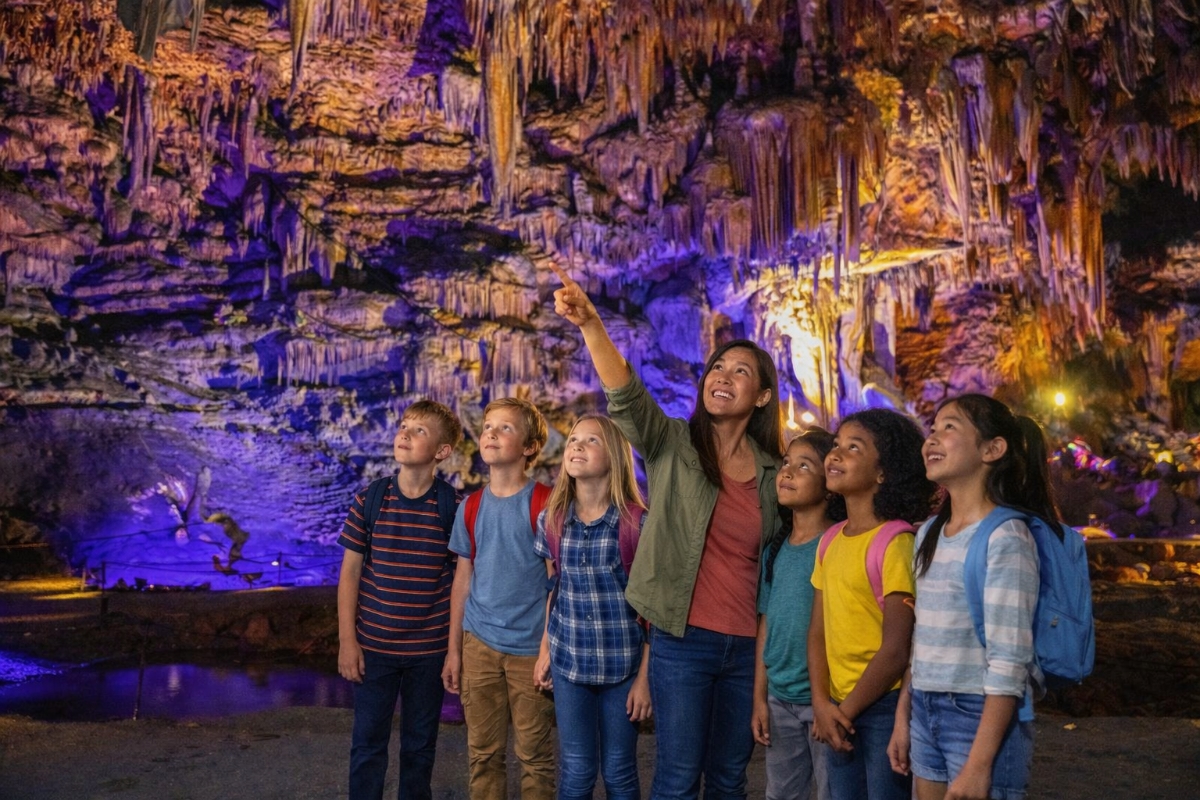
Inside the caverns, students:
• Examine limestone formations as evidence of chemical weathering and erosion
• Discuss plate tectonics and fossil distribution patterns
• Evaluate how slow geological processes shape Earth’s surface
• Analyze how innovations of the early 1900s reshaped American society
• Explore the role of influential leaders and emerging social movements
Rather than simply identifying features, students are encouraged to:
• Ask investigative questions
• Support claims with observable evidence
• Connect local geology to global systems
• Interpret history within broader national trends
This experience supports Sixth Grade Alabama Course of Study standards by deepening analytical reasoning and strengthening evidence-based thinking.
6th Grade
Our purpose is to support Sixth Grade teachers by creating an intentional learning experience that strengthens classroom instruction through real-world application.
To ensure that each sixth grader experiences meaningful educational enrichment aligned with Alabama Course of Study standards, we provide:
• Curriculum-aligned instructional videos
• Structured evidence-based reflection tools
• Downloadable classroom support materials
• Guided academic discussion prompts
• Reinforcement quizzes connected to standards
These resources extend learning beyond the field experience while keeping teacher preparation practical and manageable.
Science
SIXTH GRADE SCIENCE CONTENT STANDARDS
Sixth grade science marks a shift from observation-based learning to analytical reasoning. Students move beyond identifying features and begin evaluating evidence, interpreting data, and constructing explanations about large-scale Earth systems.
At this level, students are expected to:
• Analyze how geologic processes shape Earth over varying scales of time
• Interpret fossil and rock distribution as evidence of plate motion
• Evaluate cause-and-effect relationships within natural systems
• Construct explanations supported by observable data
Instruction emphasizes systems thinking, scientific modeling, and evidence-based reasoning. Students learn to support claims using physical evidence and data patterns rather than simple description.
The sixth-grade science experience at Majestic Caverns reinforces these expectations by providing real-world geological examples that allow students to apply classroom learning in a tangible environment.
EARTH’S SYSTEMS
6.5
“Use evidence to explain how different geologic processes shape Earth’s history over widely varying scales of space and time (e.g., chemical and physical erosion; tectonic plate processes; volcanic eruptions; meteor impacts; regional geographical features, including Alabama fault lines, Rickwood Caverns, and Wetumpka Impact Crater). ”
SUPPORTING CURRICULUM
Geologic processes operate across vast scales of time and intensity. Through the analysis of rock formations, mineral composition, sediment layers, and structural shifts, students evaluate how chemical weathering, physical erosion, and tectonic activity shape Earth’s surface.
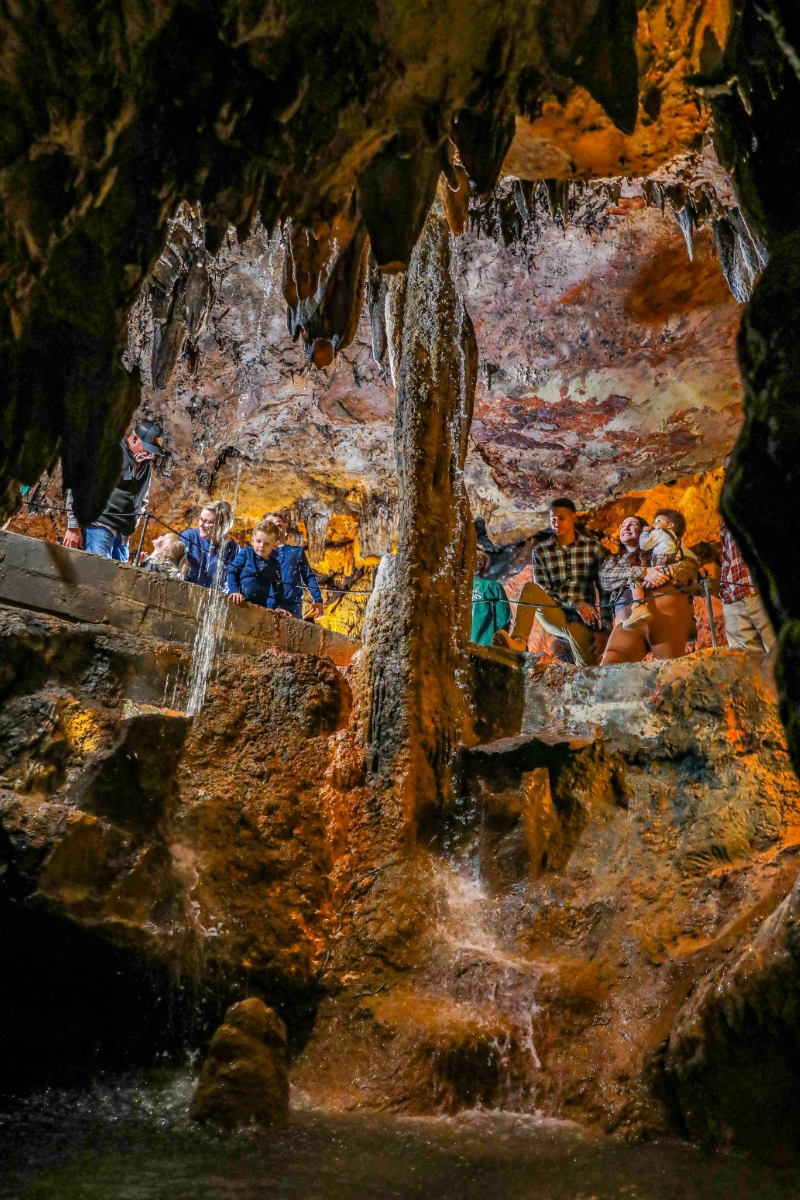
At Majestic Caverns, limestone formations provide observable evidence of long-term chemical weathering and groundwater erosion. Students examine how slightly acidic rainwater dissolves calcium carbonate over time, creating caverns, stalactites, stalagmites, and flowstone formations.
Rather than simply identifying features, students analyze:
• How gradual processes create large-scale geological change
• How regional fault lines influence landscape formation
• How Earth’s systems interact over time
This section reinforces systems thinking and evidence-based explanation aligned to Alabama Course of Study Standard 6.5.
Optional Reinforcement Assessment
Aligned to Alabama Course of Study Standards
6.6
“Provide evidence from data of the distribution of fossils and rocks, continental shapes, and seafloor structures to explain past plate motions. ”
SUPPORTING CURRICULUM
The distribution of fossils, rock layers, and continental shapes provides measurable evidence for plate motion and Earth’s dynamic history.
Students evaluate fossil evidence discovered in unexpected geographic locations, such as marine fossils found far inland. By comparing fossil patterns across continents, students analyze how continental drift and plate tectonics explain these distributions.
Within the caverns, students examine rock layering and mineral deposits as data points that reveal past environmental conditions. Through guided discussion, they consider:
• How fossil evidence supports past continental alignment
• How erosion and tectonic shifts displace rock layers
• How geological data informs scientific models of Earth’s history
This section strengthens students’ ability to interpret data and construct explanations from physical evidence.
Optional Reinforcement Assessment
Aligned to Alabama Course of Study Standards
SIXTH GRADE SOCIAL STUDIES CONTENT STANDARDS
Sixth grade social studies emphasizes historical analysis and systemic understanding of cultural and economic transformation. Students examine how innovation, reform movements, and influential individuals shaped American society during the early twentieth century.
At this level, students are expected to:
• Analyze cause-and-effect relationships in historical development
• Evaluate the impact of industrial growth on economic systems
• Examine contributions of influential figures within broader movements
• Interpret how cultural shifts reshape societal structures
Instruction moves beyond memorization of historical facts and toward evaluation of change over time. Students analyze how individual actions connect to larger economic, political, and social systems.
The sixth-grade social studies experience at Majestic Caverns supports these standards by encouraging students to interpret history through evidence, systems thinking, and comparative analysis.
6.1B
“Identify cultural and economic developments in the United States from 1900 through the 1930s. Identifying contributions of turn-of-the-century inventors.
Examples: George Washington Carver, Henry Ford, Alexander Graham Bell, Thomas Alva Edison, Wilbur and Orville Wright ”
SUPPORTING CURRICULUM
The early 20th century marked a period of rapid industrial growth and cultural transformation in the United States. Students analyze how technological innovation reshaped economic systems, labor practices, transportation, communication, and daily life.
Rather than simply identifying inventors, students evaluate:
• How industrialization altered production and distribution
• How technological advancements influenced population movement
• How innovation changed economic opportunity and social structure
Through historical discussion and reflection, students connect figures such as Henry Ford, George Washington Carver, and Alexander Graham Bell to broader economic systems and long-term societal impact.
This section emphasizes cause-and-effect reasoning and systemic analysis.
Optional Reinforcement Assessment
Aligned to Alabama Course of Study Standards
6.1C
“Describing the emergence of the modern woman during the early 1900s Examples: Amelia Earhart, Zelda Fitzgerald, Helen Keller, Susan B. Anthony, Margaret Washington, suffragettes, suffragists, flappers.”
SUPPORTING CURRICULUM
The early 1900s witnessed significant social transformation as women increasingly influenced political, cultural, and economic spheres. Students evaluate how figures such as Susan B. Anthony, Helen Keller, Amelia Earhart, and others contributed to expanding rights and redefining societal expectations.
Rather than memorizing biographical facts, students analyze:
• Barriers women faced in early 20th-century America
• How advocacy and innovation reshaped public perception
• How individual contributions influenced broader movements
Through comparative analysis, students examine how historical figures both reflected and accelerated cultural change.
This section strengthens historical reasoning and evaluative thinking aligned with middle school rigor.
Optional Reinforcement Assessment
Aligned to Alabama Course of Study Standards
Teacher Preparation and Classroom Support
To support Sixth Grade teachers before and after their visit, Majestic Caverns provides structured, standards-aligned academic tools intentionally designed for middle school learners.
These materials reinforce analytical reasoning, systems thinking, and evidence-based explanation while keeping preparation clear, organized, and efficient for teachers.
Sixth Grade Classroom Resources Include:
• Geological Evidence CER Organizer
• Plate Motion & Fossil Data Analysis
• Industrial Innovation Cause & Effect Study
• Influential Figures Comparative Analysis
• Pre-Visit Systems Inquiry Prompt
• Post-Visit Evidence Reflection Framework
All downloadable resources are optional extensions designed to deepen classroom learning and reinforce Alabama Course of Study standards. They are structured to support instruction — not replace it.
Educational Group Experience Packages
Be an inspirational educator while saving money.
Tickets
Chaperones attend at a special discounted rate — only $2 more than the student price!
Adventure School Experience
$27
Guided Caverns Tour
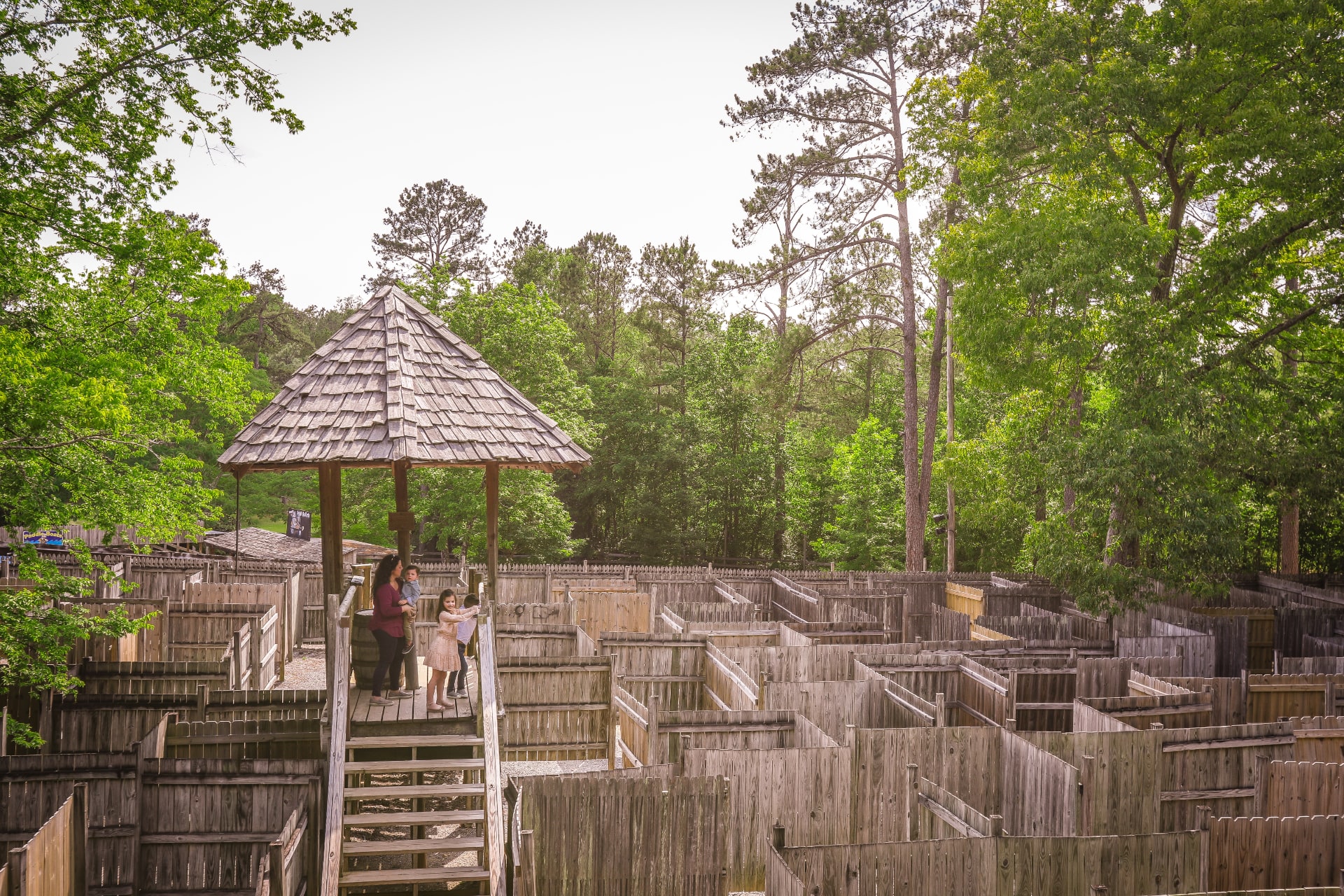
Maze
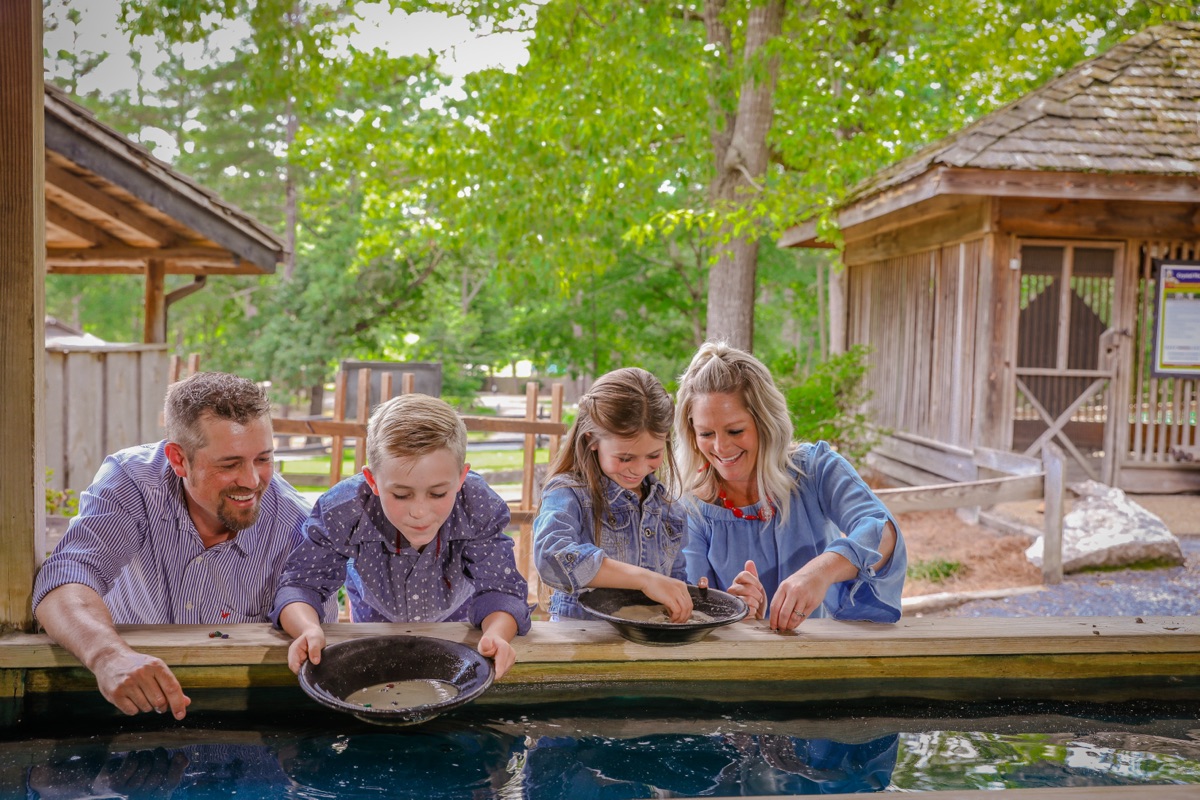
Panning for Gemstones
$36/person with meal
Most Popular
Express School
Experience
$29
Guided Caverns Tour
Maze
Panning for Gemstones
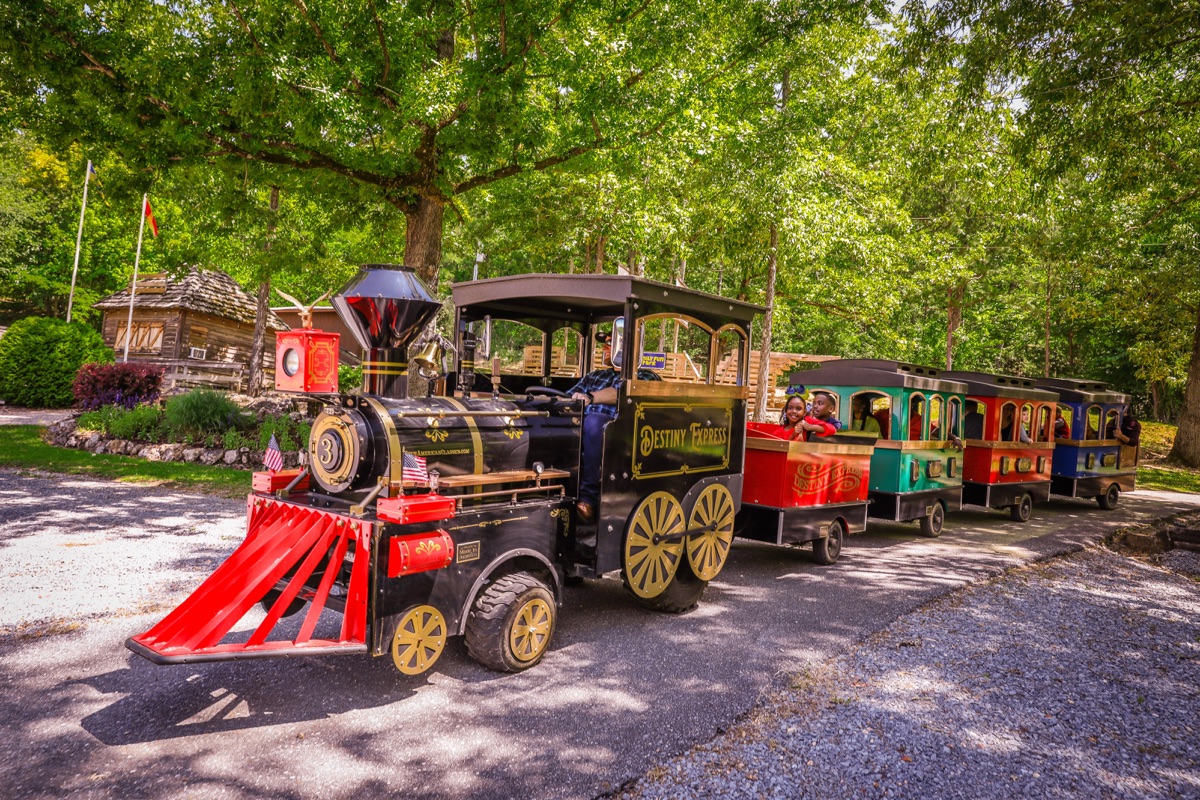
Destiny Express Train
$38/person with meal
Best Value
Legendary School
Experience
$35
Guided Caverns Tour
Maze
Panning for Gemstones
Destiny Express Train
+2 Additional Attractions
$44/person with meal
Underground Classroom
$36
Guided Caverns Tour
Maze
Panning for Gemstones
Destiny Express Train
$45/person with meal
Sixth Grade Teacher Assurance Q&A
How does this experience align with Sixth Grade standards?
All content directly supports Alabama Earth’s Systems and Social Studies standards through evidence-based discussion and structured reflection tools.
Is this designed to replace classroom instruction?
No. This experience reinforces and deepens classroom learning through real-world application.
What academic skills do students practice during the visit?
Students practice analyzing evidence, identifying cause and effect, interpreting data, and constructing explanations from observable patterns.
Is the content rigorous enough for middle school learners?
Yes. Sixth graders are challenged to evaluate systems, interpret geological evidence, and analyze historical change within broader contexts.
Are classroom materials required?
No. Materials are optional supports designed to extend learning before and after the visit.
Is this appropriate for diverse learners?
Yes. Instruction includes visual learning, guided discussion, and hands-on observation to support multiple learning styles.
Optional Reading for Teachers
These short articles are available for teachers who would like additional background or classroom inspiration. They are not required for your visit and are provided simply as support.
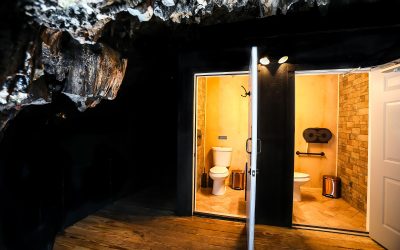
A Bathroom Inside the Cave: Why Comfort Changes Everything for Families
The most memorable historic places in Alabama do more than display an old object. They let visitors stand inside a continuing story. Majestic Caverns in Childersburg belongs beyond the usual lists because natural history, Indigenous presence, the early United States,...
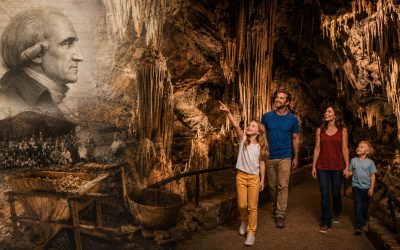
Top Unique Historic Places in Alabama: Why Majestic Caverns Belongs Beyond the Usual Lists
Majestic Caverns combines a documented 1796 national connection, layered Alabama history and a living family stewardship story underground.
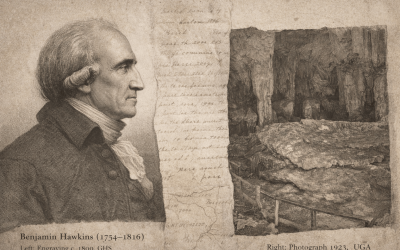
America 250 Travel Planning: Why Majestic Caverns Belongs on the National List
A 1796 federal record, Indigenous history, Civil War-era activity and continuous family stewardship make Majestic Caverns a compelling America 250 stop.






Social Studies