
Homeschool families often need one experience to serve several learners at once. The younger child needs wonder and movement. The older student needs depth and evidence. The parent needs a day that is educational, manageable, and genuinely worth leaving home for.
Majestic Caverns works beautifully across ages because it is not limited to one subject or one moment in history. It is a living timeline students can walk through, combining geology, archaeology, Native American history, early federal documentation, Civil War industry, Prohibition, family stewardship, and modern preservation.
| Upcoming 2026 Homeschool Discount Days: Monday, August 24; Monday, September 14; and Monday, October 12. |
A Timeline Students Can Physically Enter
A textbook places events in separate chapters. A historic landscape shows how layers of time exist in the same place.
Inside Majestic Caverns, families can discuss Woodland-period Native American use dating back more than 2,000 years. They can consider what archaeological evidence teaches us and why cultural history should be approached with care and respect.
They can move forward to the era of European exploration, a 1723 carving, and the 1796 documentation of the cavern by Benjamin Hawkins during George Washington’s presidency.
They can see physical features connected to Civil War saltpeter mining, hear the Prohibition-era story of an underground speakeasy, and learn how Ida Mathis purchased the property in 1912 before later generations of the family developed and preserved it for public education.
The timeline is not contained behind glass. Students are standing in the environment while they ask how people understood, used, changed, and protected the place.
Geology That Makes Sense When You See It
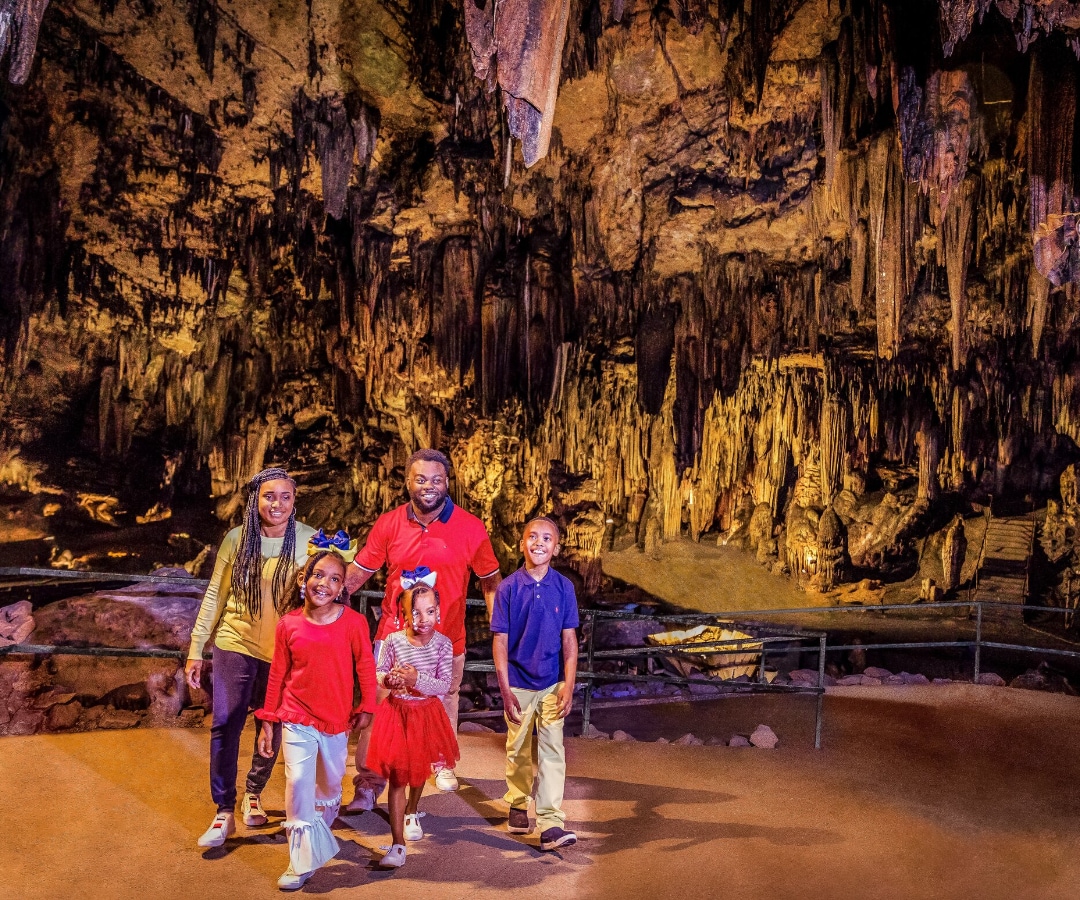
The cavern also turns earth science into something visible. Students can observe stalactites, stalagmites, flowstone, soda straws, columns, and draperies while learning how water carries minerals and slowly builds formations.
Because Majestic Caverns is a living cave, occasional drips are part of the lesson. They are evidence that water is still moving through the system and that cave formation is not only something that happened long ago.
Possible science connections include:
- The water cycle and groundwater
- Limestone and mineral deposition
- Weathering and erosion
- Cave ecosystems and conservation
- Time scale and gradual change
- Observation, classification, and scientific questioning
A Comfortable Learning Day for Multiple Ages
Homeschool parents know that logistics affect learning. A child who is too hot, hungry, overwhelmed, or waiting for a bathroom is not ready for a thoughtful discussion.
Majestic Caverns stays approximately 60 degrees year-round. The guided tour lasts just under one hour, there are no stairs on the tour route, strollers and wagons are allowed, and a restroom is located inside the cave. Families can also use the café, gift shop, picnic spaces, campground, and above-ground attractions to build a day that fits their children.
The cave provides structure. The park provides movement. The café and shop provide a natural break. Together, those pieces help families move between focused learning and active play.
Discussion Prompts Before or After the Tour
- What makes a place historically important: age, events, evidence, people, preservation, or all of these together?
- How is archaeological evidence different from a written historical record?
- Why would people in different eras use the same cave for very different purposes?
- How did natural resources affect decisions during the Civil War?
- What responsibilities do property owners and visitors have when caring for a living cave?
- How does the meaning of a place change when new groups of people encounter it?
- What can a cave teach us that a museum object cannot?
Journaling and Notebook Ideas
1. Formation sketch: Draw one cave formation and label how water helped create it.
2. Living timeline: Create a horizontal timeline with at least five eras connected to the cavern.
3. Sensory paragraph: Describe the temperature, sound, scale, light, and texture of the cave without using the word “beautiful.”
4. Evidence chart: Make two columns labeled “What We Observed” and “What We Were Told,” then discuss how both contribute to learning.
5. Stewardship reflection: Write three rules for protecting a cave and explain why each matters.
6. Primary-source question: Imagine you are documenting the cavern in 1796. What details would you record for someone who had never seen it?
7. Family memory page: Ask each person to record the moment they want to remember most.
A Simple Homeschool Day Plan
- Before arrival: Watch or read a short introduction to cave formations and create two questions for the guide.
- Guided tour: Listen for examples of geology, archaeology, written records, industry, and preservation.
- Lunch or café break: Let each child share one fact and one question.
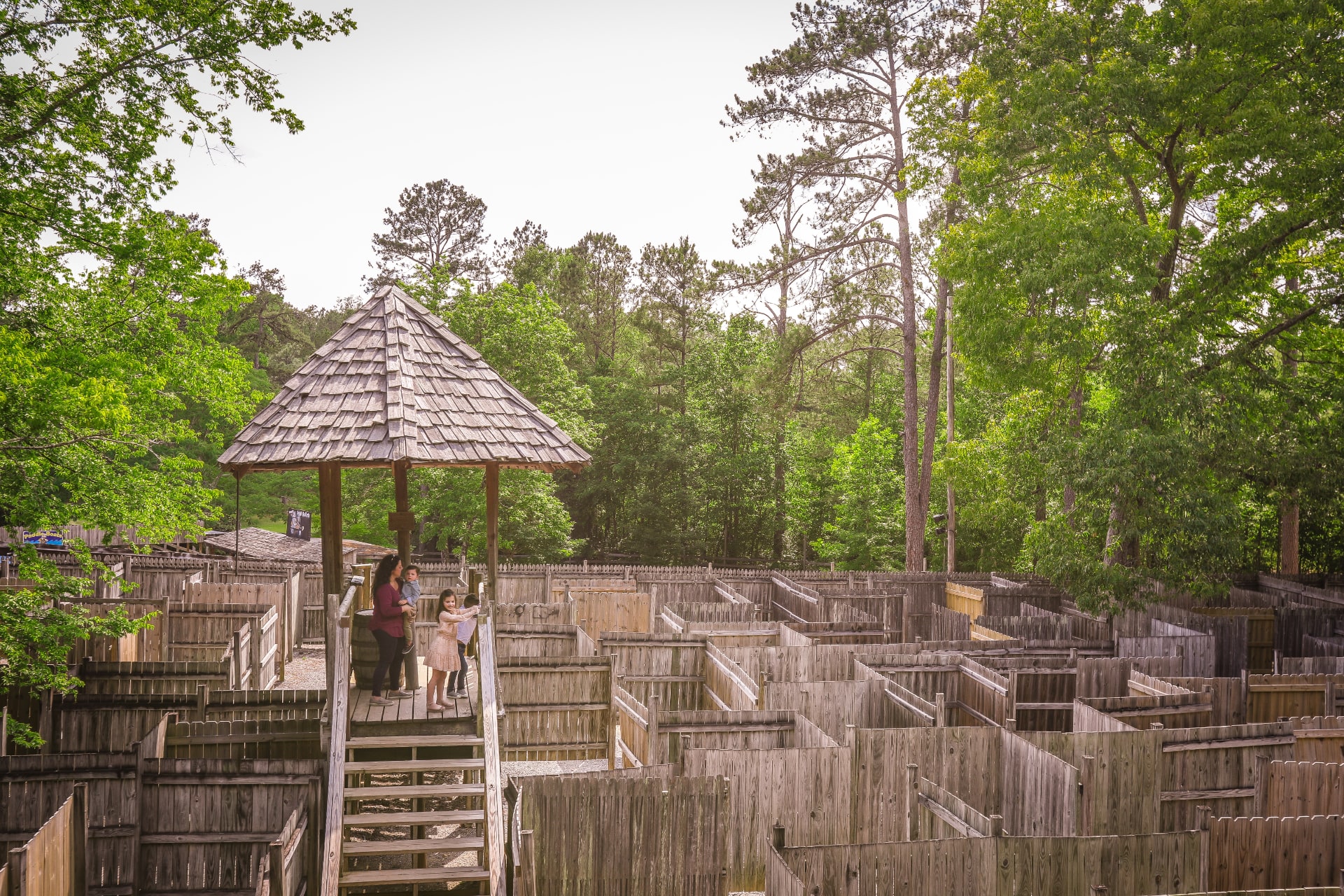
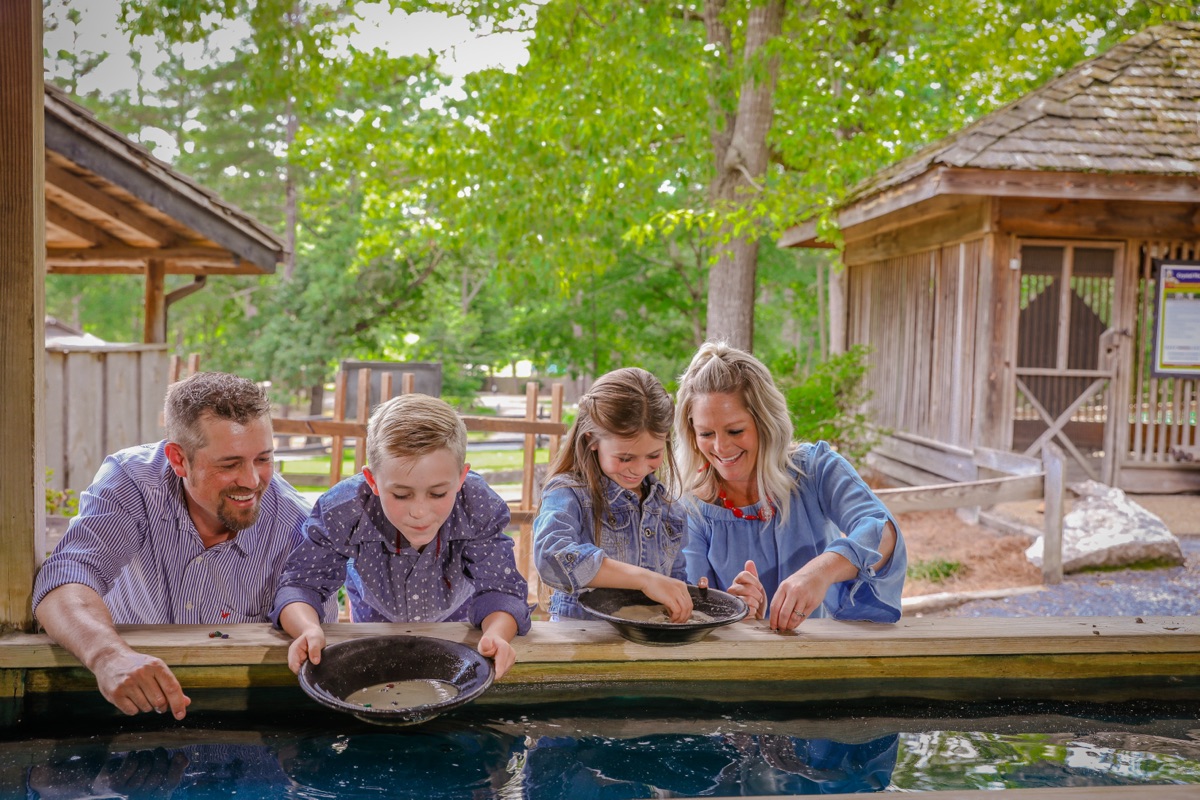
- Hands-on extension: Choose gemstone panning, the maze, train, or another attraction that fits the ages in your family.
- Final reflection: Complete one journal prompt before the drive home while the experience is fresh.
Use the Homeschool Discount Days as a Learning Rhythm
The August, September, and October dates can create a natural three-part fall learning rhythm. Visit in August for the full timeline. Return to your studies in September with a geology or primary-source focus. Use October to connect preservation, seasonal change, and the stories people tell about historic places.
Families do not have to make every visit identical. One child may be ready for deeper history while another is still building observation skills. A strong educational destination grows with the learner.
Bring Your Curriculum Underground
If you are searching for homeschool field trips in Alabama or a history and science field trip near Birmingham or Montgomery, Majestic Caverns offers something difficult to reproduce at home: a real place where natural processes and human history remain visible together.
Come with questions. Bring notebooks. Let the children look up. Give them time to wonder. The best learning often begins when a child sees something real and wants to know why.
Call to action: Mark August 24, September 14, and October 12 on your homeschool calendar and review current discount details before visiting.
Quick FAQ
When are the remaining 2026 Homeschool Discount Days?
The scheduled dates are Monday, August 24; Monday, September 14; and Monday, October 12, 2026.
Can multiple grade levels learn together?
Yes. The cavern supports broad themes in science, history, archaeology, geography, stewardship, and observation, making it useful for families teaching several ages.
How long is the guided cave tour?
The tour lasts just under one hour and covers approximately one-third of a mile.
Can we bring a stroller or wagon?
Yes. Strollers and wagons are allowed. The cave route has no stairs, although some natural ramps are steep and one passage narrows.
Is the visit only educational, or are there activities too?
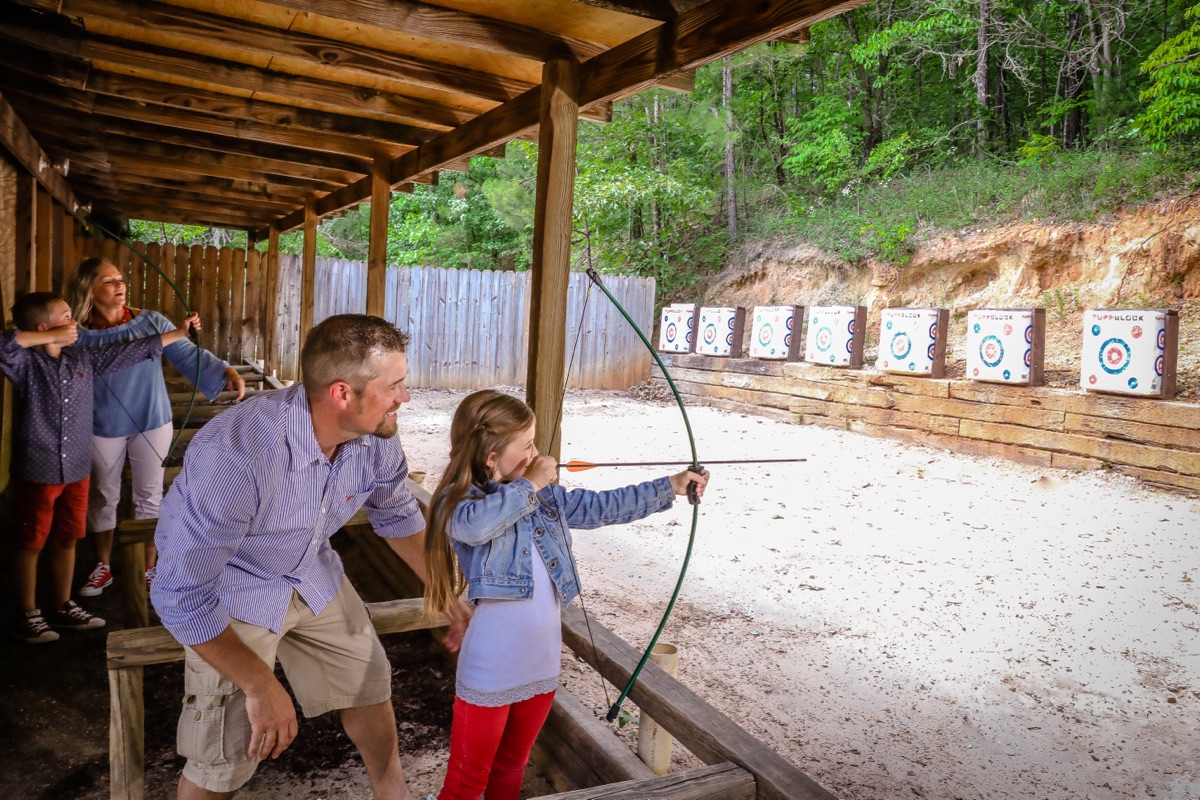
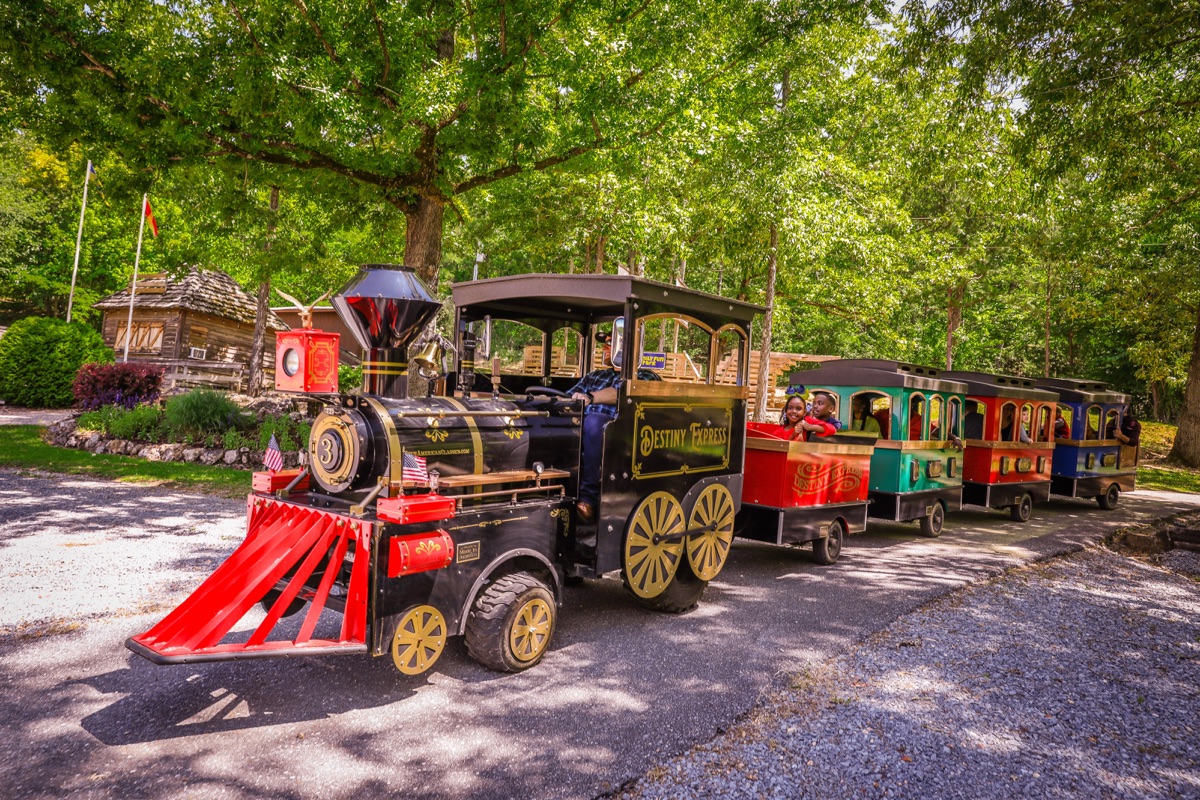
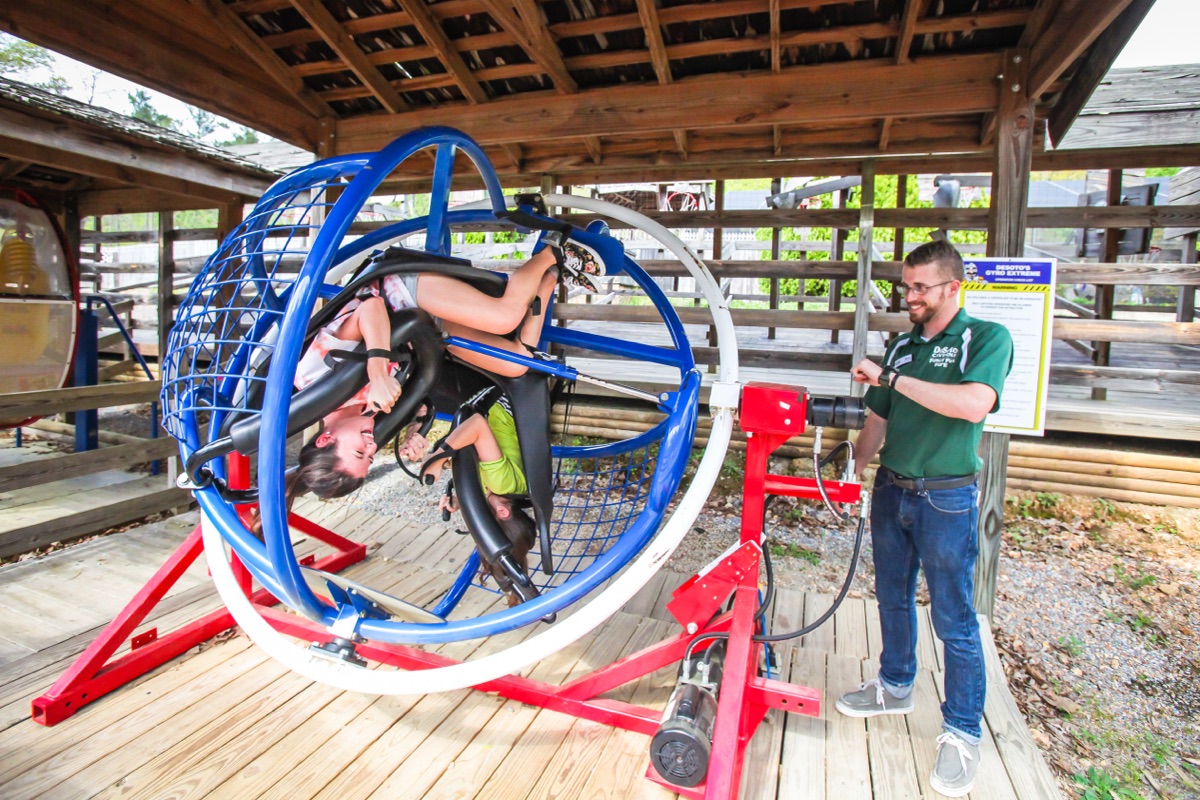
Families can add above-ground attractions such as gemstone panning, the maze, train rides, games, climbing, and seasonal water activities.