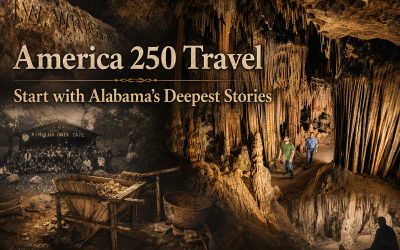
Not all caves are created equal—and in Alabama, that difference matters.
In a recent travel feature, Yahoo included Alabama among the states with the most caves, naming Majestic Caverns alongside other notable sites. We’re grateful for the recognition and for the broader spotlight it places on Alabama’s underground history.
But there’s an important distinction worth understanding—especially for families planning a visit.
While Alabama has thousands of mapped caves, only a small handful are open to the public. And among those few, Majestic Caverns stands apart in a way that directly shapes the guest experience.
One of Only a Few—And the Only One Like This
In Alabama, just three caves are open for regular public tours. Two are state-owned parks. One is privately owned, family-run, and designed from the ground up with families in mind.
That one is Majestic Caverns.
Being privately owned means:
-
decisions are made locally, not bureaucratically
-
preservation is paired with hospitality
-
the experience can evolve thoughtfully without losing historical integrity
For more than five generations, the same family has stewarded this cavern—not as a side attraction, but as a legacy.
Why Most Caves Aren’t Open to the Public (and Why That’s Important)
When people hear that Alabama has thousands of mapped caves, it’s natural to wonder why so few are open for public visits.
The answer is simple—and important: most caves are not safe for recreational exploration.
So-called “wild caves” are often:
-
unstable, with falling rock hazards
-
completely dark and disorienting
-
prone to sudden flooding
-
home to fragile ecosystems easily damaged by human presence
Without trained guides, safety infrastructure, and careful management, these environments can be extremely dangerous—even for experienced explorers.
Just as importantly, caves are protected natural resources. Removing rocks, formations, artifacts, or other materials from caves is illegal and can carry serious penalties. In many cases, taking souvenirs from caves is considered a federal crime, and similar protections exist at the state level to preserve these environments for future generations.
This is one reason responsible cave tourism matters.
Why Show Caves Exist—and Why They’re Different
Public show caves like Majestic Caverns exist so people can experience underground history safely and responsibly.
At Majestic Caverns:
-
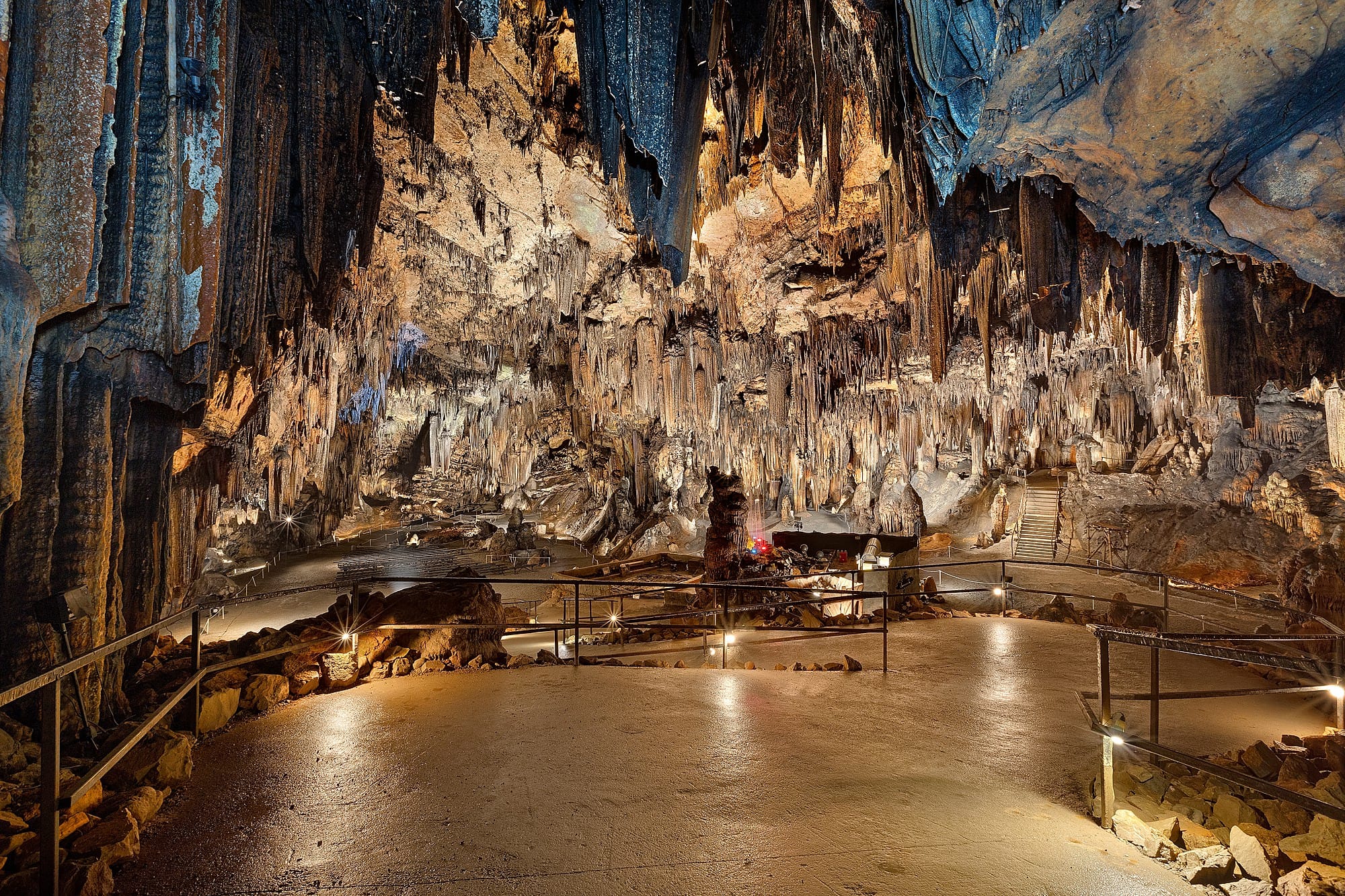
pathways are engineered for stability
-
lighting is designed to protect formations
-
tours are guided and historically accurate
-
preservation comes first—always
Families aren’t just entertained; they’re taught why caves deserve respect.
That’s a critical distinction when comparing a managed, educational site to caves that are intentionally closed to the public for safety and conservation reasons.
Why This Context Matters for Families
When planning trips—especially with children or grandparents—clarity matters.
Lists that mention “thousands of caves” can unintentionally imply that caves are casual places to explore. In reality, the safest and most meaningful way to experience a cave is through a professionally managed site designed for visitors.
Majestic Caverns exists precisely for that purpose:
-
to offer access without risk
-
to protect history without removing it
-
and to turn curiosity into understanding, not danger
A Cave Built for Families, Not Just Geology
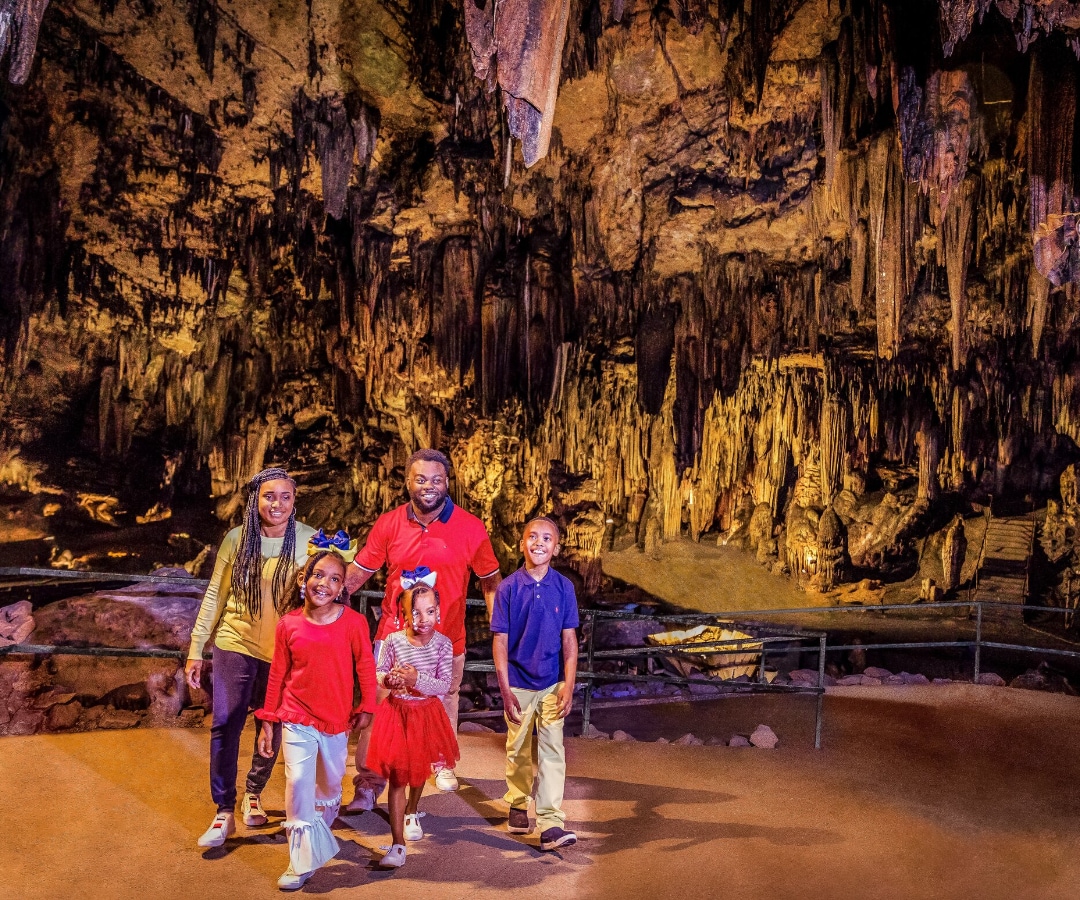
Many caves are extraordinary from a scientific standpoint but challenging for everyday visitors. Majestic Caverns was intentionally developed to be approachable, comfortable, and engaging—without sacrificing historical accuracy.
Families appreciate:
-
no stairs throughout the guided tour
-
benches placed along the route
-
wide, open spaces that are not claustrophobic
-
a steady 60-degree temperature year-round
And one detail parents never forget:
-
Bathrooms located inside the cave, including a handicap-accessible restroom and a changing table
That single feature turns a “maybe someday” outing into a confident yes for grandparents and parents of toddlers alike.
History That Spans Every American Era
Yahoo’s coverage also highlighted the depth of history found here—and that depth is part of what makes Majestic Caverns exceptional.
Within this one site, visitors encounter:
-
Native American use dating back more than 2,000 years
-
early American documentation, including reports by Benjamin Hawkins to George Washington, placing the cave on record with the United States
-
Civil War history, when saltpeter was mined inside the cavern to make gunpowder
-
modern preservation, carried forward by the same family since 1912
Few places allow families to experience such a complete timeline in a single, accessible visit.
More Than a Cave—A Full Day Experience
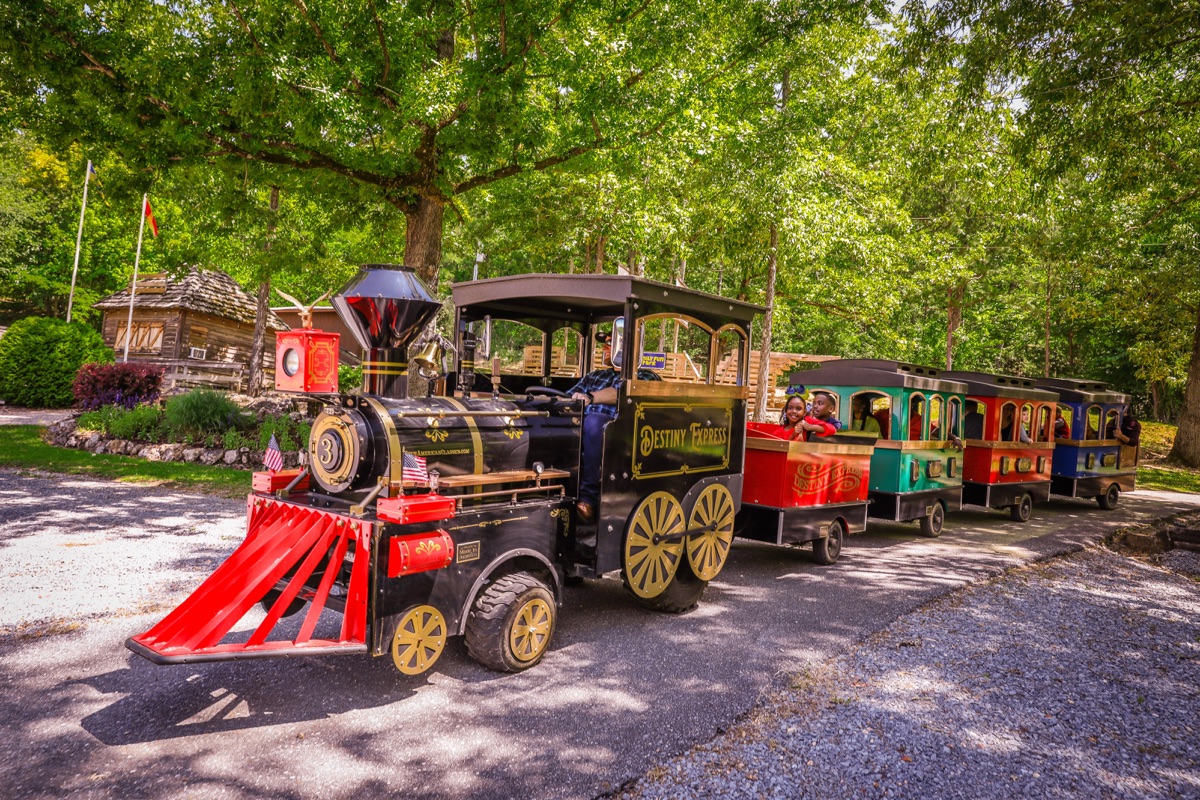
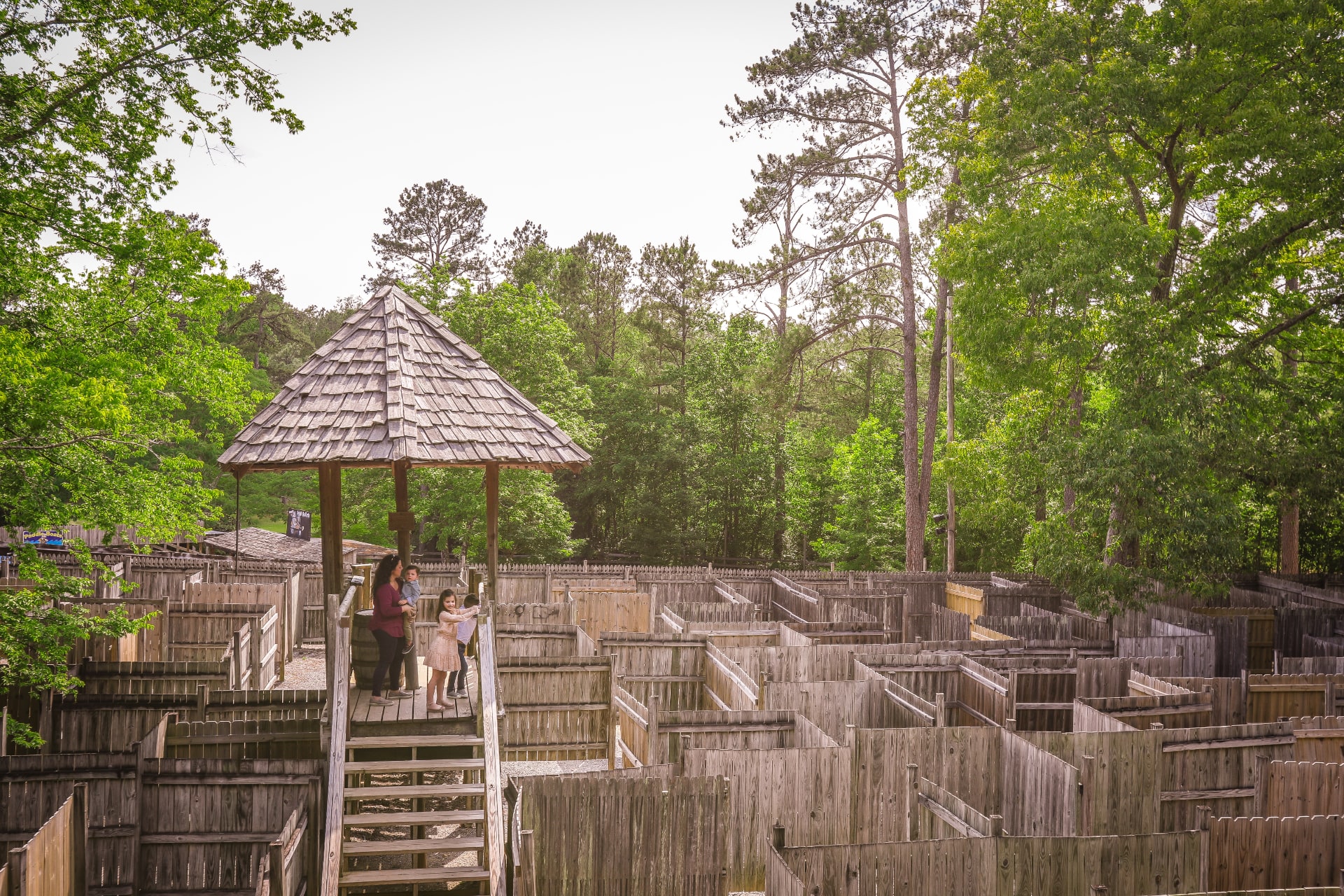
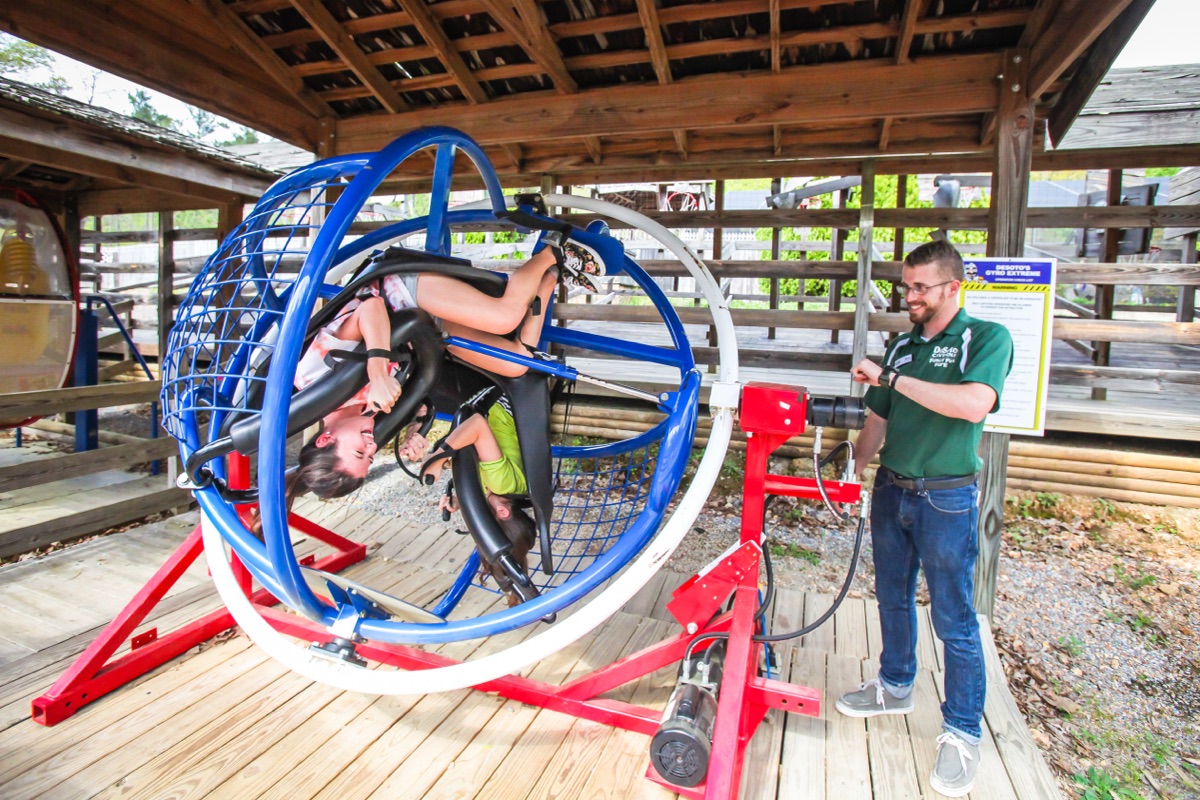
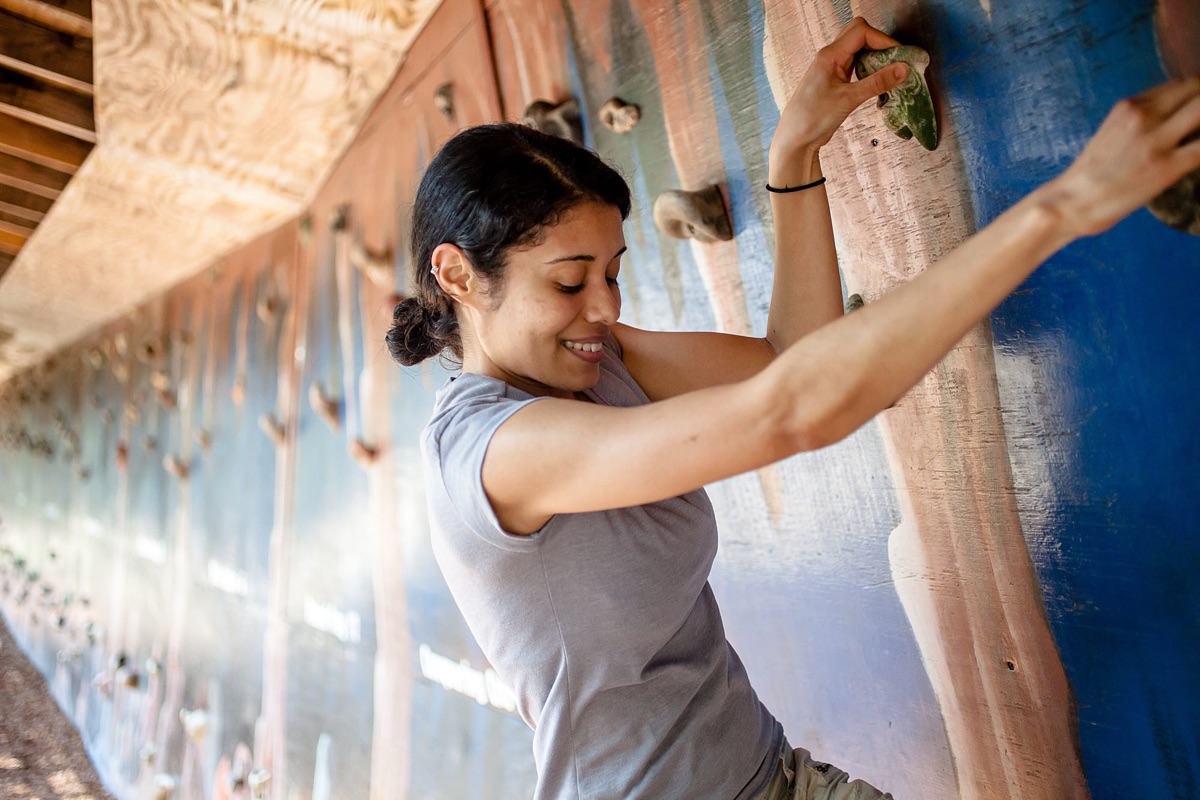
Unlike most public caves, Majestic Caverns is part of a larger family-friendly park.
Above ground, families enjoy:
-
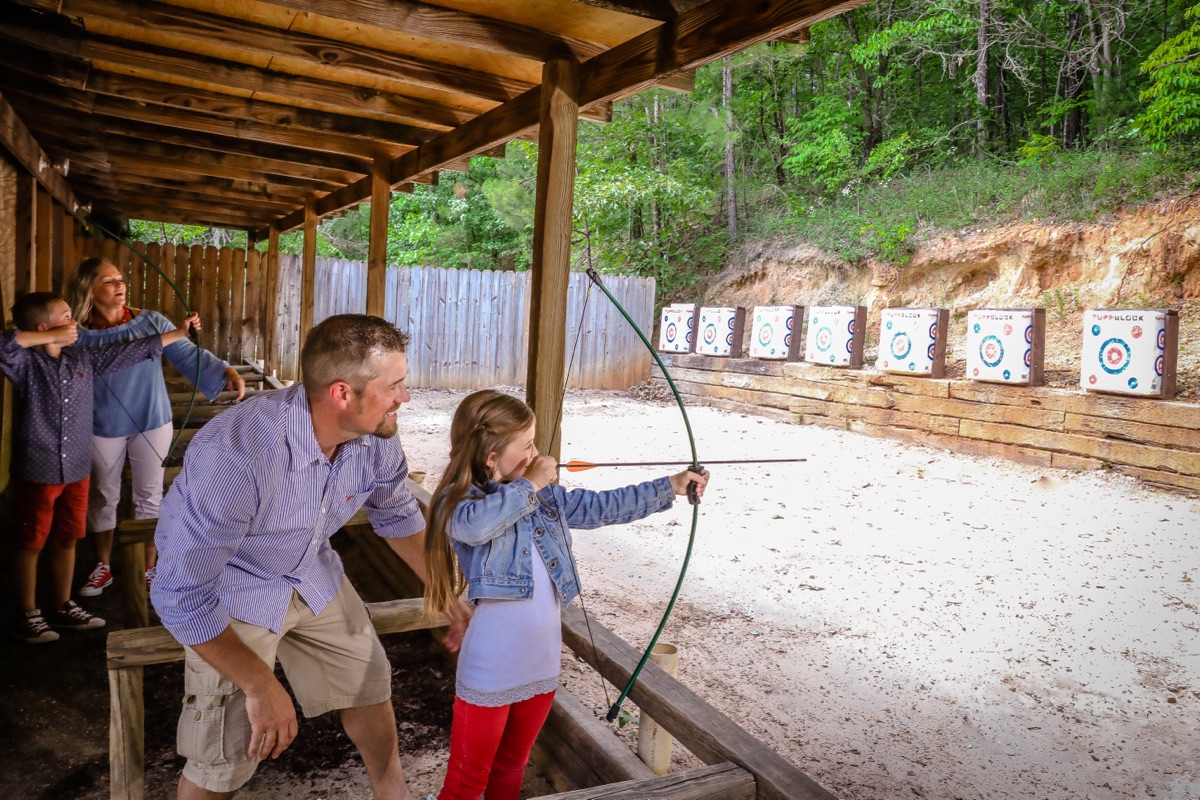
interactive attractions and outdoor spaces
-
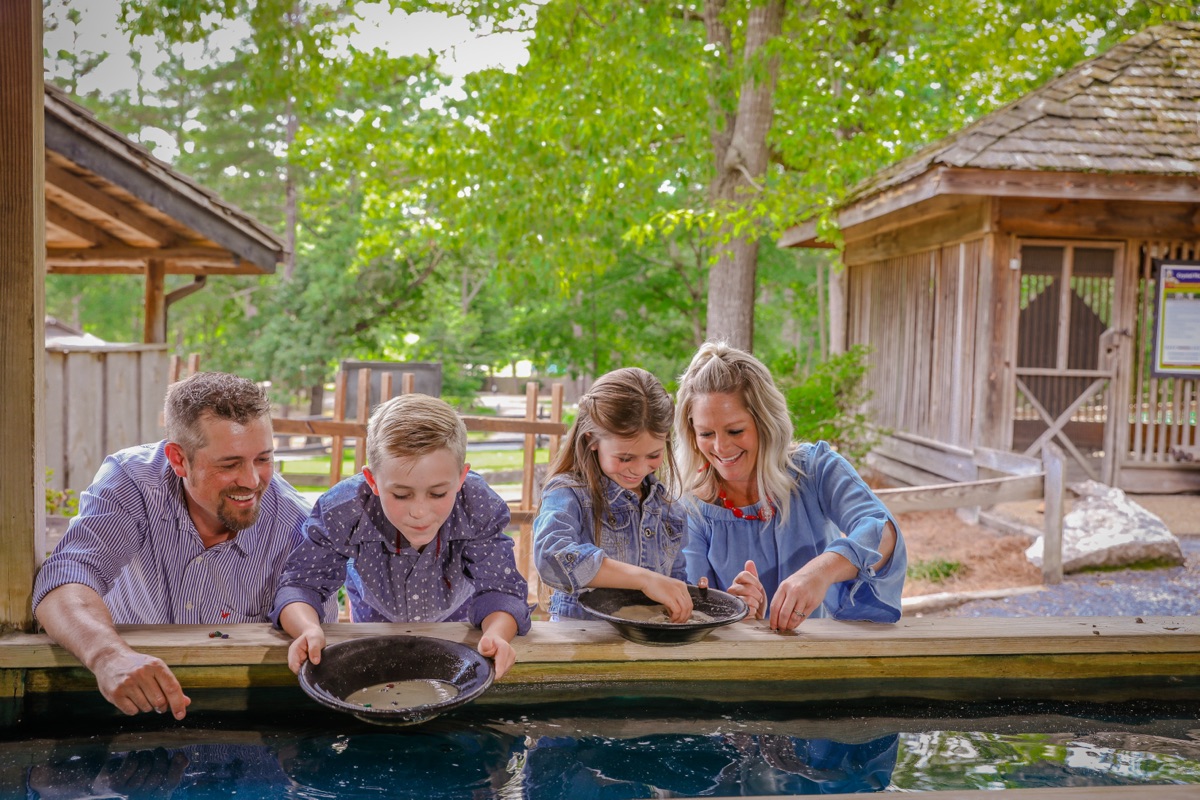
gemstone panning and hands-on activities
-
seasonal events and educational programs
After the tour, many guests slow down with:
-
coffee or lattes from the café
-
the park’s famous homemade fudge—a favorite “happy ending” for kids and adults alike
It’s not just a stop. It’s a place to stay awhile.
Majestic Caverns (Formerly DeSoto Caverns), Clearly Located
For longtime visitors, it’s helpful to note that Majestic Caverns is formerly DeSoto Caverns—the same historic cave, now named to reduce guest confusion and better reflect its historic descriptions.
The cavern is located in Childersburg, near Birmingham, Montgomery, and Atlanta—making it an easy day trip for much of the Southeast.
Why Standing Apart Matters
Lists about “the most caves” can spark curiosity.
But what families really want to know is:
Which place will work best for us?
Among Alabama’s public caves, Majestic Caverns stands apart not because there are many caves—but because there are so few places that combine:
-
deep, multi-era history
-
private, family-led stewardship
-
true accessibility
-
and a full, low-stress family experience
We’re honored when national publications include us. More importantly, we’re grateful to welcome families who discover that the difference is something they can feel the moment they arrive.