Some historic places survive by accident.
Others survive because someone chooses, day after day, to take responsibility for them.
At Majestic Caverns, that responsibility became personal.
For more than five decades, Allen Mathis III has served as the principal steward of one of Alabama’s most historic natural landmarks — not as an owner in the modern sense, but as a caretaker whose daily work shaped whether the cave would endure intact for the next generation.
His leadership did not begin with a grand plan or a ribbon cutting.
It began with a hose, a toolbox, and a handwritten sign that read:
“On tour. Be back soon.”
Returning to the Cave
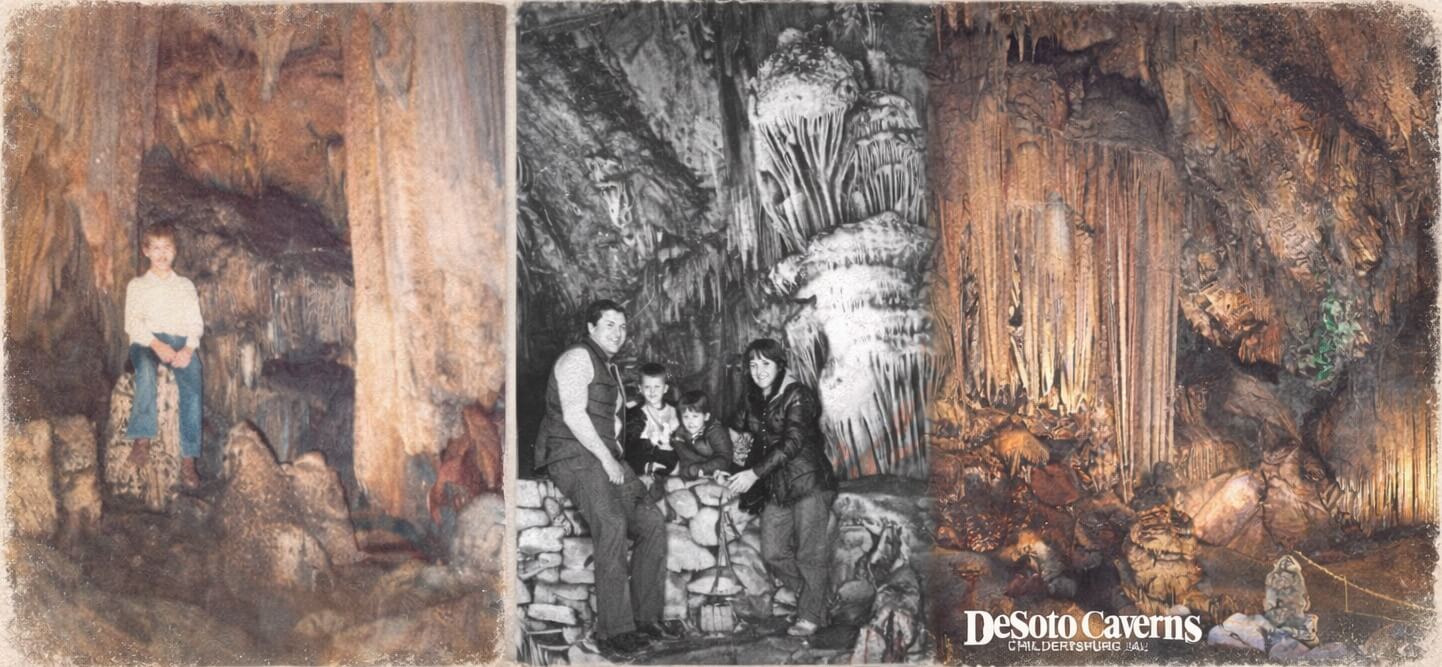
In 1975, shortly after graduating from Taylor University, Allen drove south to Childersburg to help with the family’s cave property.
At the time, Majestic Caverns was far from a developed attraction.
Access was difficult.
Infrastructure was minimal.
Tours were inconsistent.
The cave existed, but the systems required to safely share it with the public were still being built.
Allen moved onto the property and lived simply. For a period, he slept in the back of the gift shop. He showered outdoors with a hose. He repaired what broke. He guided tours himself.
When visitors arrived, he would lead them underground personally, sometimes with only his dog for company.
Between tours, he fixed plumbing, ran electrical lines, cleared trails, and improvised solutions with whatever materials were available.
It was less a job description than a commitment:
if the cave was going to stay open, someone had to keep it running.
So he did.
Stewardship as Daily Work
Historic preservation is often imagined as policy or paperwork.
In practice, it is physical.
At Majestic Caverns, stewardship meant:
• replacing unsafe stairways
• improving lighting without damaging formations
• managing water flow
• protecting fragile areas
• maintaining safe pathways
• repairing systems before guests ever noticed problems
These were not dramatic changes. They were incremental, practical, and continuous.
But over time, they transformed the experience.
The cave became safer.
More accessible.
More sustainable.
Importantly, it remained intact.
Nothing was altered simply for spectacle. Improvements served two purposes only: preservation and safe access.
That philosophy shaped every decision.
Protect the cave first.
Welcome families second.
Learning from Other Caves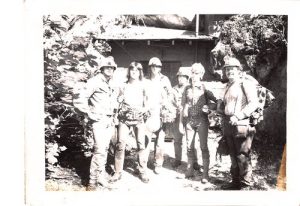
Allen’s education did not stop at one site.
Family trips often doubled as field study.
Caves across the United States — and abroad — became classrooms: places to observe what worked, what failed, and what practices harmed fragile environments.
Lighting systems, pathways, airflow, conservation methods — each trip informed decisions back home.
This approach created something rare for a privately owned historic site:
institutional memory.
Knowledge wasn’t outsourced. It was accumulated, tested, and passed down.
Children listened to operational discussions at the dinner table. They learned why certain areas were protected. Why formations couldn’t be touched. Why preservation decisions mattered.
The cave wasn’t simply a workplace.
It was a living lesson in geology, history, and responsibility.
Expanding Access Without Compromise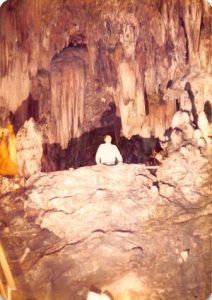
As visitation grew, so did the need for thoughtful infrastructure.
Under Allen’s leadership, Majestic Caverns added improvements that many early caves never had:
• a tunnel entrance to replace steep, limiting access
• safer walkways
• better lighting systems
• organized guided tours
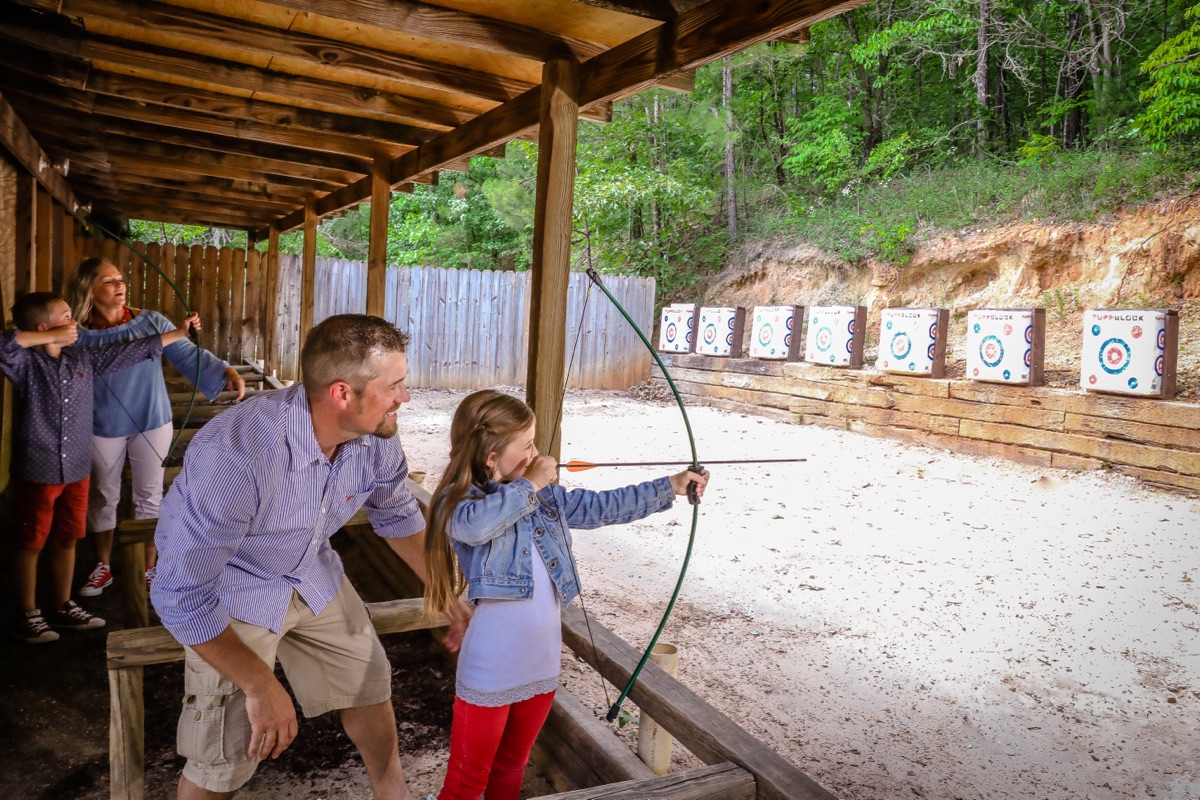
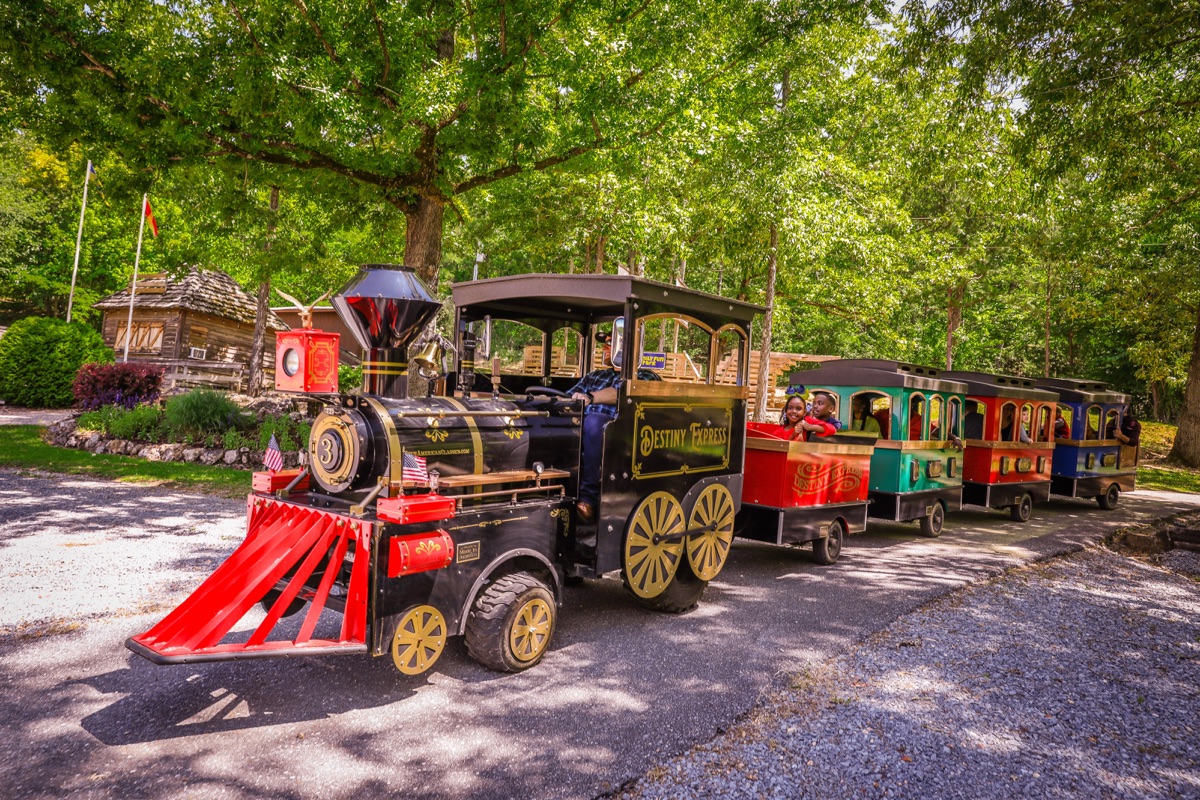
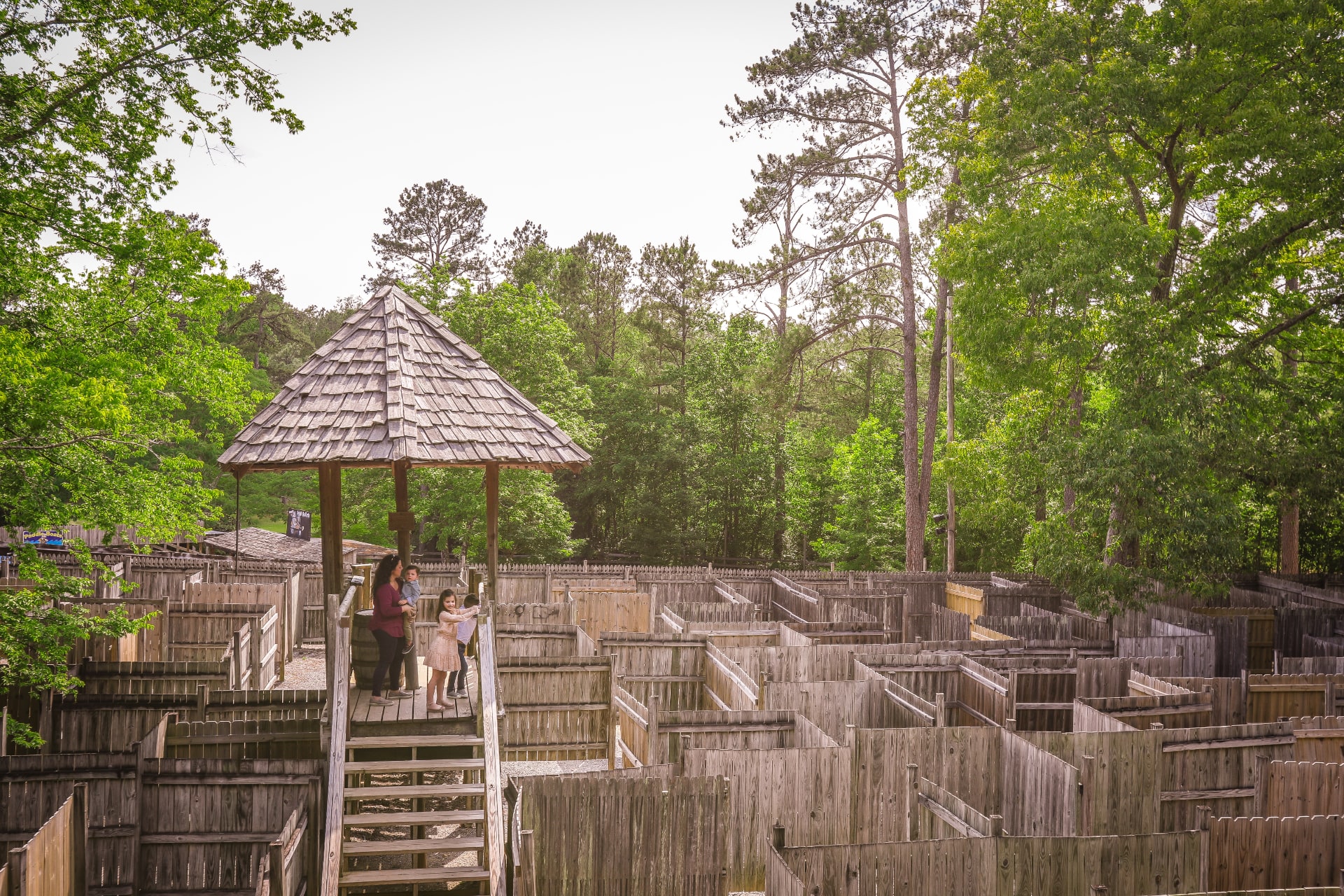
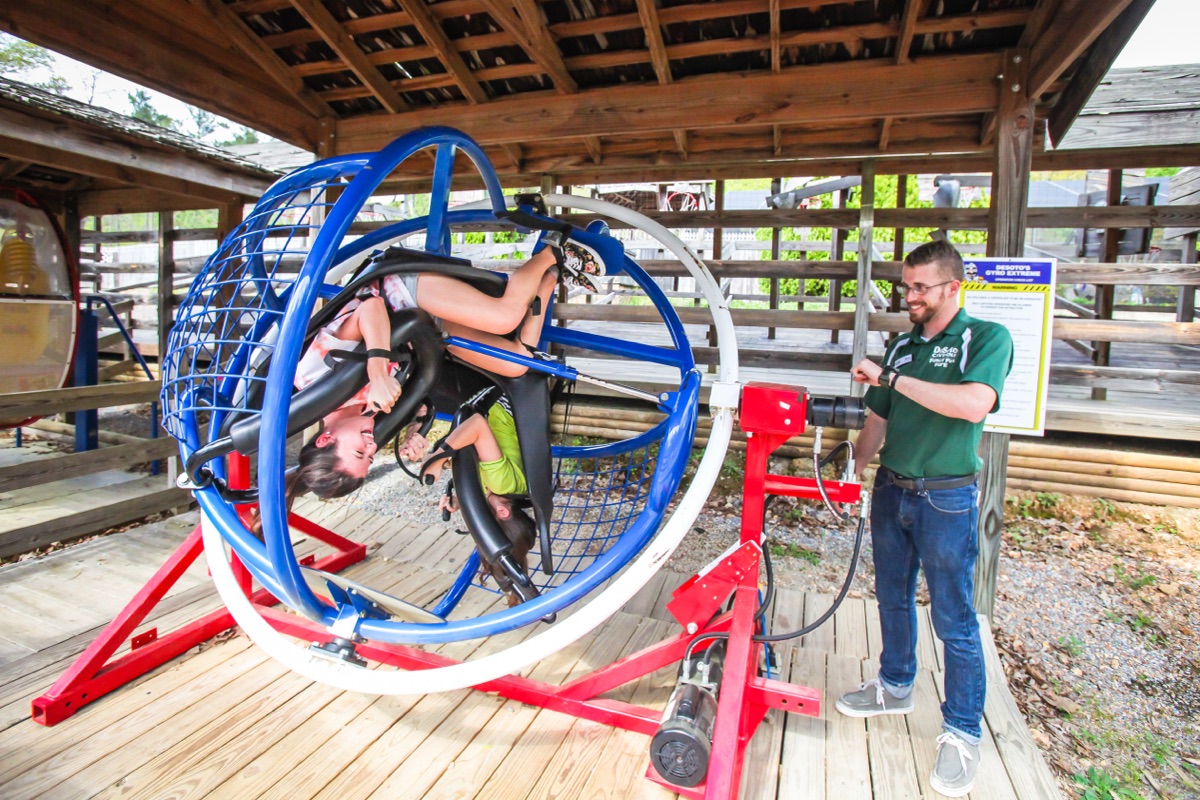
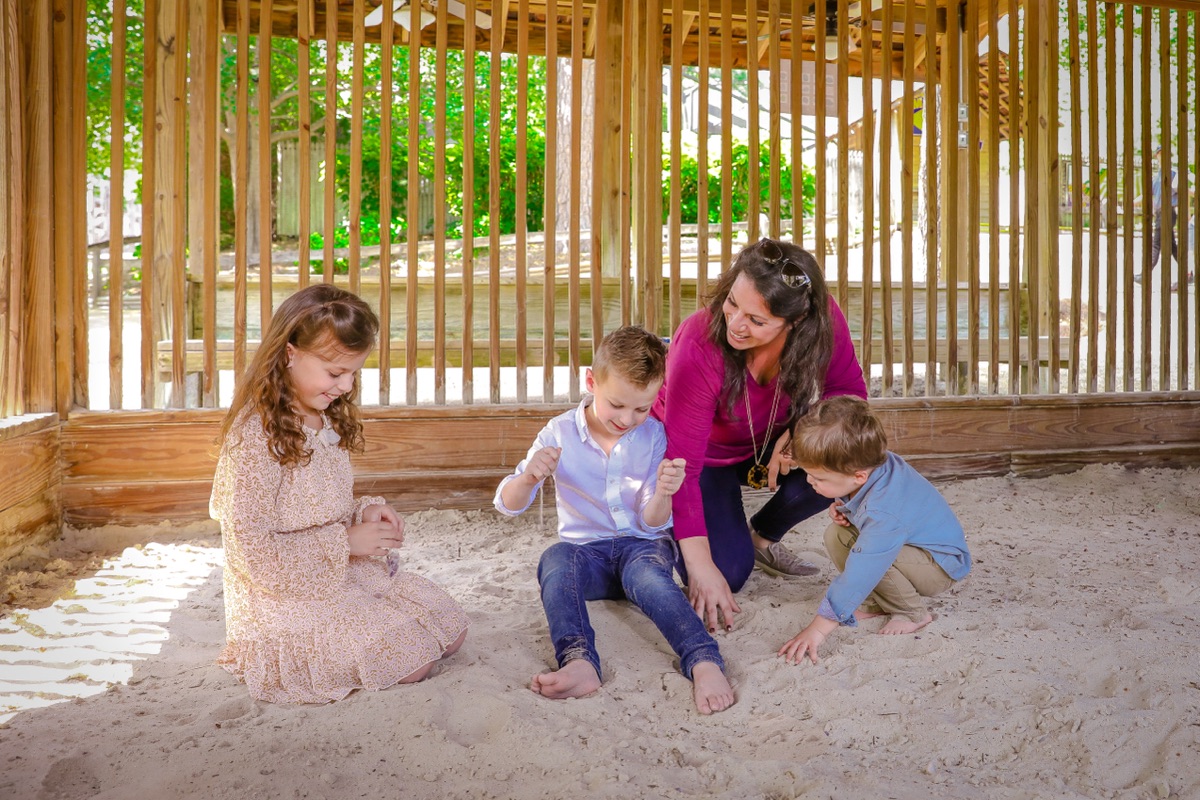
• above-ground attractions that supported operations without disturbing the cave itself
This balance was deliberate.
Rather than commercializing the underground environment, family-friendly experiences were created outside the cave to reduce pressure on the formations within.
It was a preservation strategy disguised as hospitality.
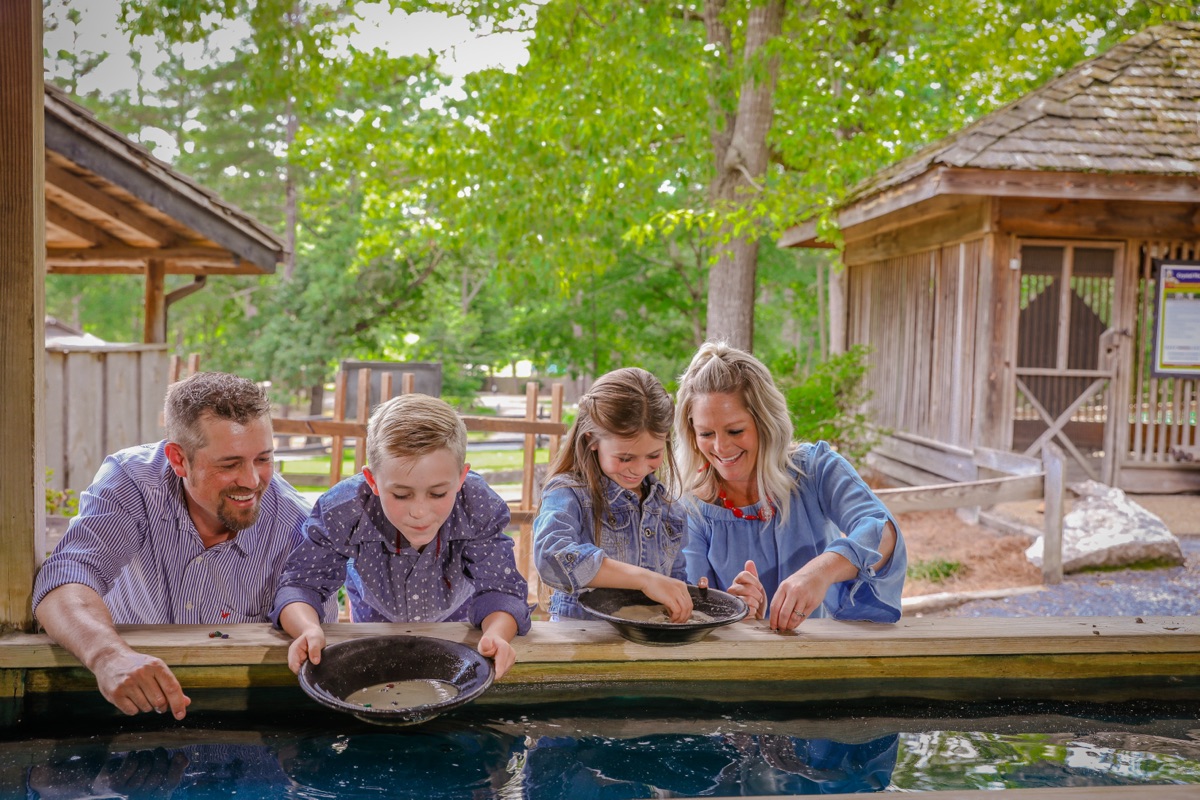
Families could spend a day at the park.
The cave could remain protected.
Few sites strike that balance successfully.
Majestic Caverns did because decisions were made by someone who viewed himself not as a developer, but as a caretaker.
A Family Enterprise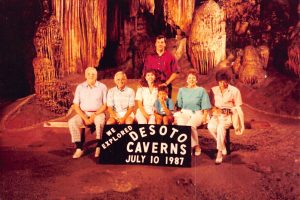
Stewardship also became generational.
Allen and his wife, Danielle, raised their children at the cave.
Work and family life blended.
Kids stuffed envelopes for mailers, helped with attractions, assisted with maintenance, learned tours, and gradually took on responsibilities of their own.
Participation was never ceremonial.
It was practical.
Everyone contributed.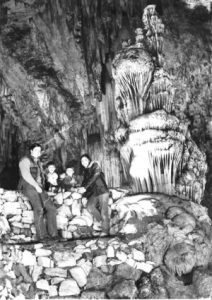
Over time, that involvement created continuity that many historic sites lose when leadership changes hands.
Knowledge stayed within the family:
How the cave breathes.
Where water collects.
Which repairs last.
Which shortcuts cause damage.
That lived knowledge cannot be easily replicated.
It is earned through decades.
Quiet Leadership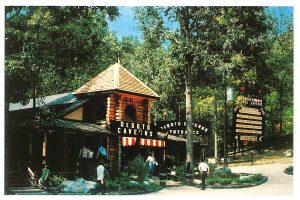
Those who know Allen often describe the same qualities:
steady
practical
humble
problem-solving
Not theatrical leadership, but dependable leadership.
The kind that shows up early, fixes what’s broken, and stays late to make sure tomorrow runs smoothly.
In preservation work, that temperament matters more than recognition.
Historic places rarely survive because of grand gestures.
They survive because someone consistently does the unglamorous work.
For Majestic Caverns, that someone has often been Allen.
Continuity Today
Today, the stewardship he carried forward continues into another generation.
His daughter, Joy Sorensen, now serves as president.
Grandchildren and extended family members contribute across operations and interpretation.
The structure he built — practical systems, preservation-first decisions, and shared responsibility — made that continuity possible.
The cave did not simply stay open.
It stayed healthy.
That distinction is the difference between a tourist stop and a historic site.
A Stewardship Measured in Years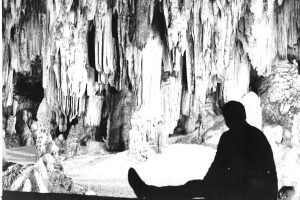
It is easy to measure success in attendance or attractions.
Harder to measure is something quieter:
Has the place endured?
After more than fifty years of daily care, Majestic Caverns remains:
• geologically active
• historically documented
• structurally protected
• and publicly accessible
The formations still grow.
The chambers remain intact.
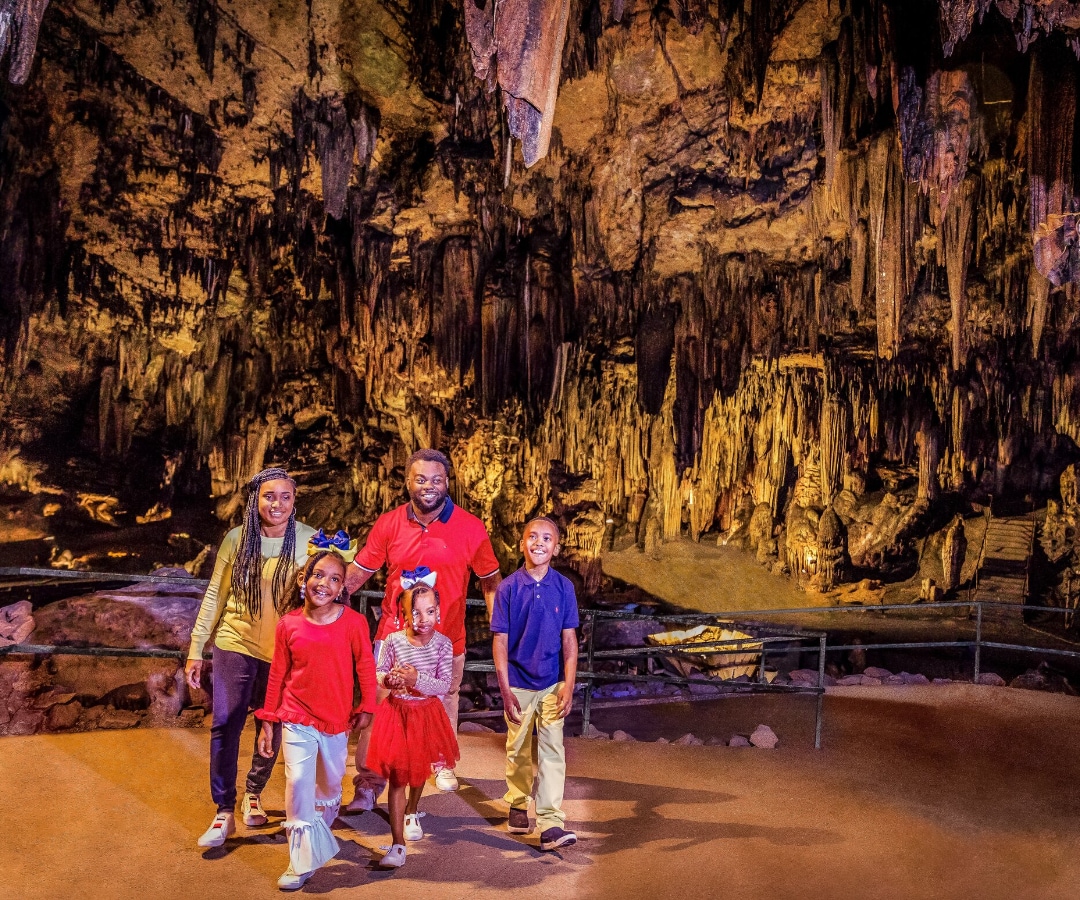
Visitors still walk the same spaces earlier generations experienced.
That continuity is not accidental.
It reflects decades of practical, patient stewardship.
Not preservation in theory.
Preservation in practice.
Read more:
• Ida Mathis and the Founding Vision →
• A Century of Stewardship at Majestic Caverns →