Curriculum-Aligned Learning Experience
2nd Grade
Hours
Schedule tailored to you.
Bookings beyond business hours.
Connect for details.
ADDRESS
5181 DeSoto Caverns Parkway
Childersburg, AL 35044
PHONE
256.378.7252
sales@majesticcaverns.com
Designed for Second Grade Learners
The Grade 2 educational experience at Majestic Caverns is intentionally designed to reinforce classroom instruction through direct observation and guided explanation. At this stage, students are transitioning from simple noticing to explaining patterns, identifying cause-and-effect relationships, and using evidence to support their thinking.
Inside the caverns, students encounter real-world examples of ecosystems, natural resources, and human interaction with the environment. The experience provides an authentic setting where developing academic skills can be applied in meaningful ways.
What Students Will Experience
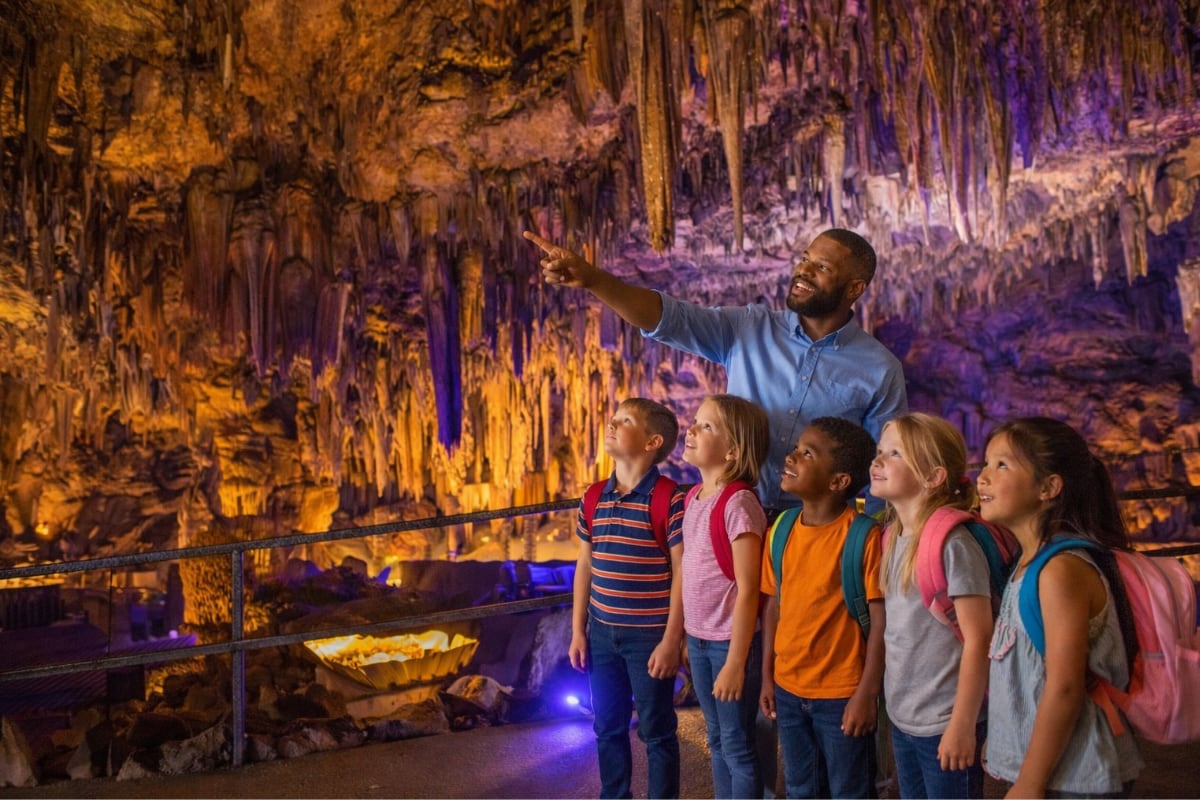
During their visit to Majestic Caverns, second grade students engage in guided exploration that strengthens their ability to observe, explain, and connect ideas.
Rather than simply noticing what they see, students are encouraged to describe patterns, identify cause-and-effect relationships, and explain how natural environments function as systems. Through direct observation inside the caverns, students practice using evidence to support their thinking and develop language skills by discussing what they learn in complete ideas and short explanations.
The experience reinforces classroom instruction by providing a real-world setting where students can apply scientific and social studies concepts they are already developing, including ecosystems, natural resources, sequencing events, and human interaction with the environment.
Second Grade
Our purpose is to provide an intentional learning experience that reinforces classroom instruction. Each grade level is supported with videos, downloadable resources, and quizzes developed to align with curriculum standards and enrich student learning.
Science
SECOND GRADE SCIENCE CONTENT STANDARDS
In second grade science, students move beyond identifying what they see to explaining how and why natural processes occur. The study of ecosystems introduces students to interactions between living and nonliving components, and to the idea that environments function as systems.
The cavern environment provides a powerful real-world context for observing patterns, discussing environmental conditions, and describing cause-and-effect relationships in nature.
ECOSYSTEMS: INTERACTIONS, ENERGY, & DYNAMICS
2.5– Environmental Factors & Plant Growth
“Plan and carry out an investigation, using one variable at a time (e.g., water, light, soil, air), to determine the growth needs of plants.”
SUPPORTING CURRICULUM
Students investigate how environmental factors such as water, light, air, and soil affect plant growth. By considering what happens when one variable changes, students begin to understand cause-and-effect relationships within ecosystems.
The cavern environment provides an opportunity to discuss how limited light and specific environmental conditions influence what can and cannot survive in a particular setting.
Skill Practice: Students identify variables and explain how changes in environmental conditions affect growth.
Quiz
2.7– Habitats & Living Things
“Obtain information from literature and other media to illustrate that there are many different kinds of living things and that they exist in different places on land and in water (e.g., woodland, tundra, desert, rainforest, ocean, river)”
SUPPORTING CURRICULUM
Living organisms depend on specific environmental conditions in order to survive. Students compare habitats and examine how plants and animals are suited to particular environments.
By exploring the cavern ecosystem, students consider how factors such as light, temperature, and moisture influence which organisms can live in that environment.
Skill Practice: Students compare environments and describe how living things depend on specific conditions.
Quiz
SECOND GRADE SOCIAL STUDIES CONTENT STANDARDS
In second grade social studies, students deepen their understanding of communities, historical figures, and how people interact with their physical environment. At this level, students begin to connect individual actions to broader community impact and to recognize how natural resources shape human choices.
Majestic Caverns offers a setting where students can explore how geography influences shelter, settlement, and economic activity while engaging with stories that contribute to Alabama’s cultural history.
2.1– Historical Figures & Civic Values
“Identify national historical figures and celebrations that exemplify fundamental democratic values, including equality, justice, and responsibility for the common good. Historical women characters are emphasized as well.”
SUPPORTING CURRICULUM
Ida Mathis serves as a local example of civic leadership and responsibility. Through her work in agricultural reform, she demonstrated stewardship of land, economic responsibility, and service to her community.
Studying her contributions allows students to examine how individuals can influence their state and promote the common good.
Skill Practice: Students describe how individuals contribute to their communities and identify examples of civic responsibility.
Quiz
2.2– Primary Sources
“Use various primary sources, including calendars and timelines, for reconstructing the past.”
SUPPORTING CURRICULUM
Students use primary sources such as artifacts, historical records, and timelines to understand events from the past. By examining evidence left behind, they learn how historians reconstruct history and organize information chronologically.
The history of Majestic Caverns provides examples of how documented accounts and preserved materials help us understand earlier time periods.
Skill Practice: Students examine sources and organize information to understand events from the past.
Quiz
2.3– Vocabulary of Time
“Use vocabulary to describe segments of time, including year, decade, score, and century.”
SUPPORTING CURRICULUM
Understanding historical time requires students to distinguish between past, present, and future and to use vocabulary such as year, decade, and century accurately.
When exploring the history of the caverns, students practice sequencing events and placing them within a broader timeline, strengthening chronological reasoning skills.
Skill Practice: Students sequence events and use time-related vocabulary accurately.
Quiz
2.10– Human & Physical Environments
“Identify ways people throughout the country are affected by their human and physical environments. Examples: land use, housing, occupation. Comparing physical features of regions throughout the United States. Example: differences in a desert environment, a tropical rain forest, and polar region. Identifying positive and negative ways people affect the environment. Example: Positive: restocking fish in lakes, reforesting, cleared land. Negative — polluting water, littering roadways, eroding soil.”
SUPPORTING CURRICULUM
People adapt to their physical environments based on available natural resources and environmental conditions. Geography influences shelter, transportation, occupation, and daily life.
The cavern environment provides an example of how natural landforms can affect human activity, from shelter and protection to economic use.
Skill Practice: Students explain how geography and natural resources influence human choices.
Quiz
2.11– Legends & Cultural History
“Interpret legends, stories, and songs that contributed to the development of the cultural history of the United States. Examples: American Indian legends, African-American stories, tall tales, stories of folk heroes”
SUPPORTING CURRICULUM
People adapt to their physical environments based on available natural resources and environmental conditions. Geography influences shelter, transportation, occupation, and daily life.
The cavern environment provides an example of how natural landforms can affect human activity, from shelter and protection to economic use.
Skill Practice: Students interpret stories and explain how cultural traditions shape communities.
Quiz
Teacher Preparation and Classroom Support
To support Grade 2 teachers before and after their visit, Majestic Caverns provides intentionally designed classroom resources, including vocabulary guides, observation tools, pre-visit discussion prompts, and post-visit reflection activities.
All materials are optional and flexible, allowing teachers to integrate the experience into existing instruction without additional preparation burden.
Second Grade Teacher Assurance Q&A
How does this experience align with Grade 2 standards?
The Grade 2 educational experience at Majestic Caverns supports Alabama Course of Study standards in both Science and Social Studies. Content reinforces key concepts such as ecosystems, environmental interactions, sequencing events, and the use of evidence to explain observations. Standards connections are outlined directly on this page for easy reference.
Is this experience designed to replace classroom instruction?
No. The visit is designed to reinforce and extend instruction already taking place in the classroom. Teachers maintain full control over how the experience is integrated into their curriculum.
Are the printable classroom resources required?
No. All classroom materials are optional. Teachers may choose to use any combination of resources before or after the visit based on what best supports their students and existing lesson plans.
What types of skills do students practice during the visit?
Students practice observation, explanation, cause-and-effect reasoning, sequencing, and verbal expression. The experience supports the transition from simple observation to describing and explaining ideas using evidence.
How long is the instructional portion of the visit?
The guided cave experience is designed to maintain student engagement while allowing time for discussion, questions, and observation. The overall experience fits comfortably within a typical field trip schedule for second grade classes.
Is this experience appropriate for a range of learning styles?
Yes. The experience includes visual observation, listening, guided discussion, and opportunities for verbal explanation, making it accessible and effective for a variety of learners.
Educational Group Experience Packages
Be an inspirational educator while saving money.
Tickets
Chaperones attend at a special discounted rate — only $2 more than the student price!
Adventure School Experience
$27
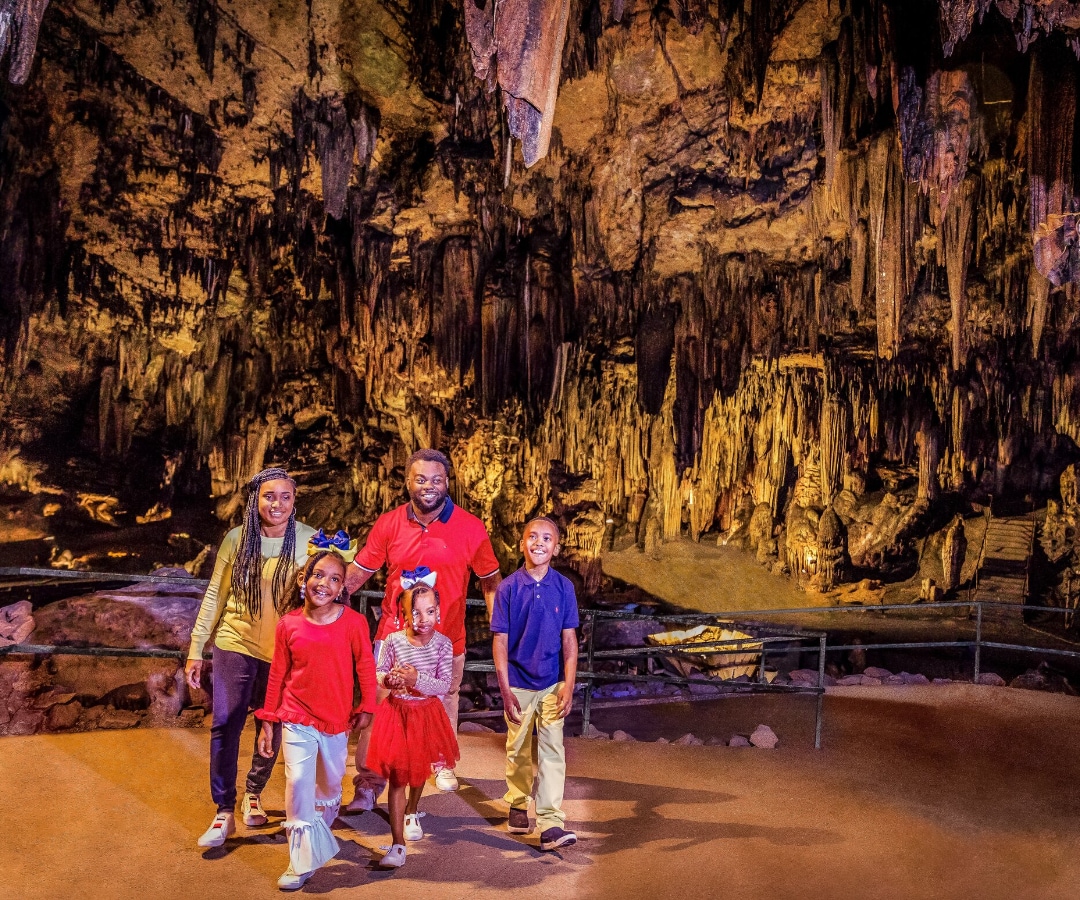
Guided Caverns Tour
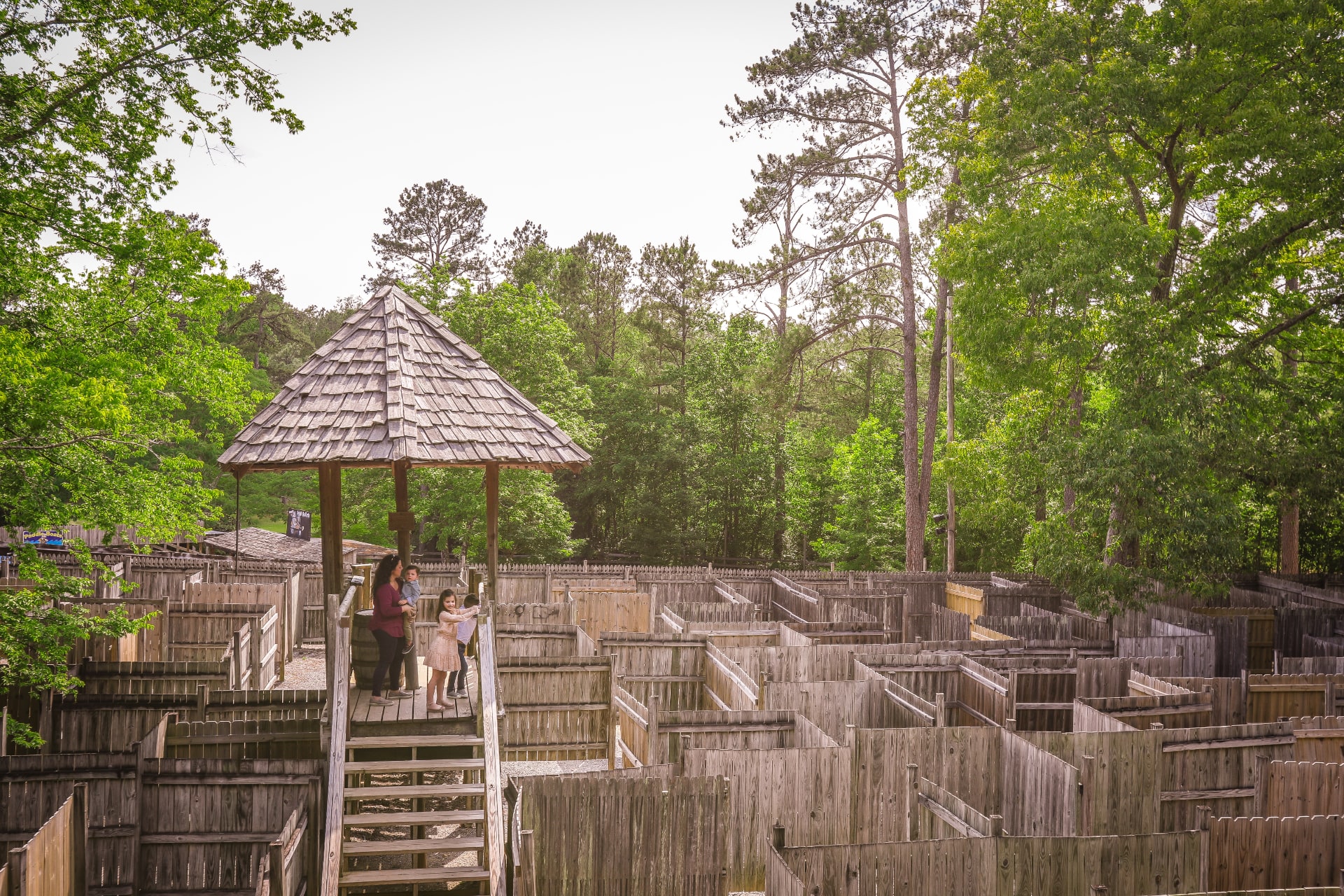
Maze
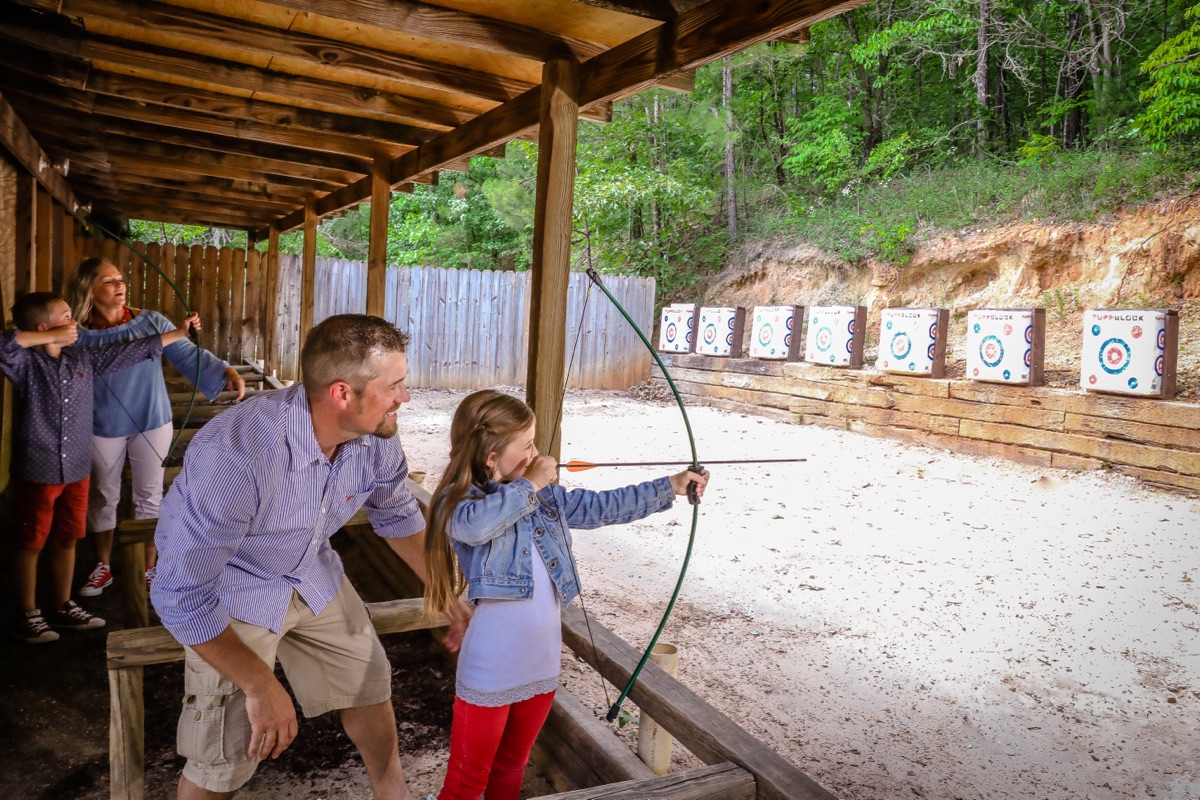
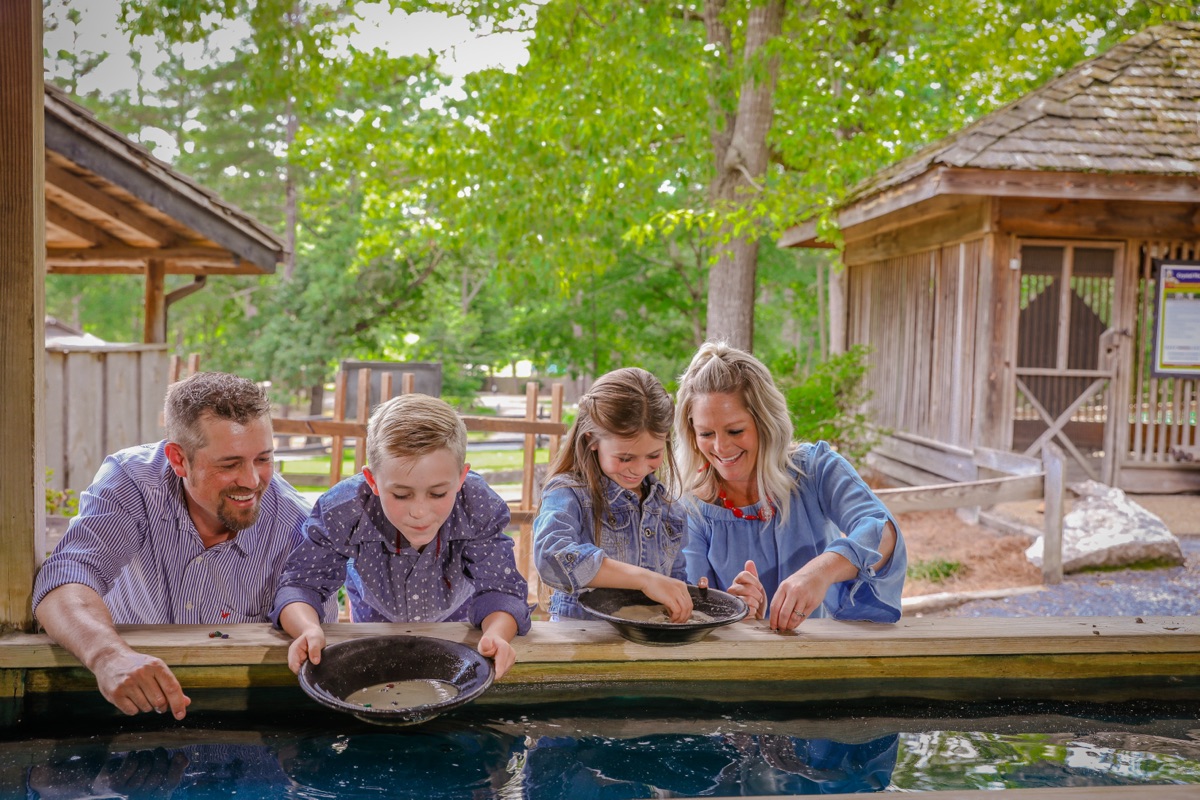
Panning for Gemstones
$36/person with meal
Most Popular
Express School
Experience
$29
Guided Caverns Tour
Maze
Panning for Gemstones
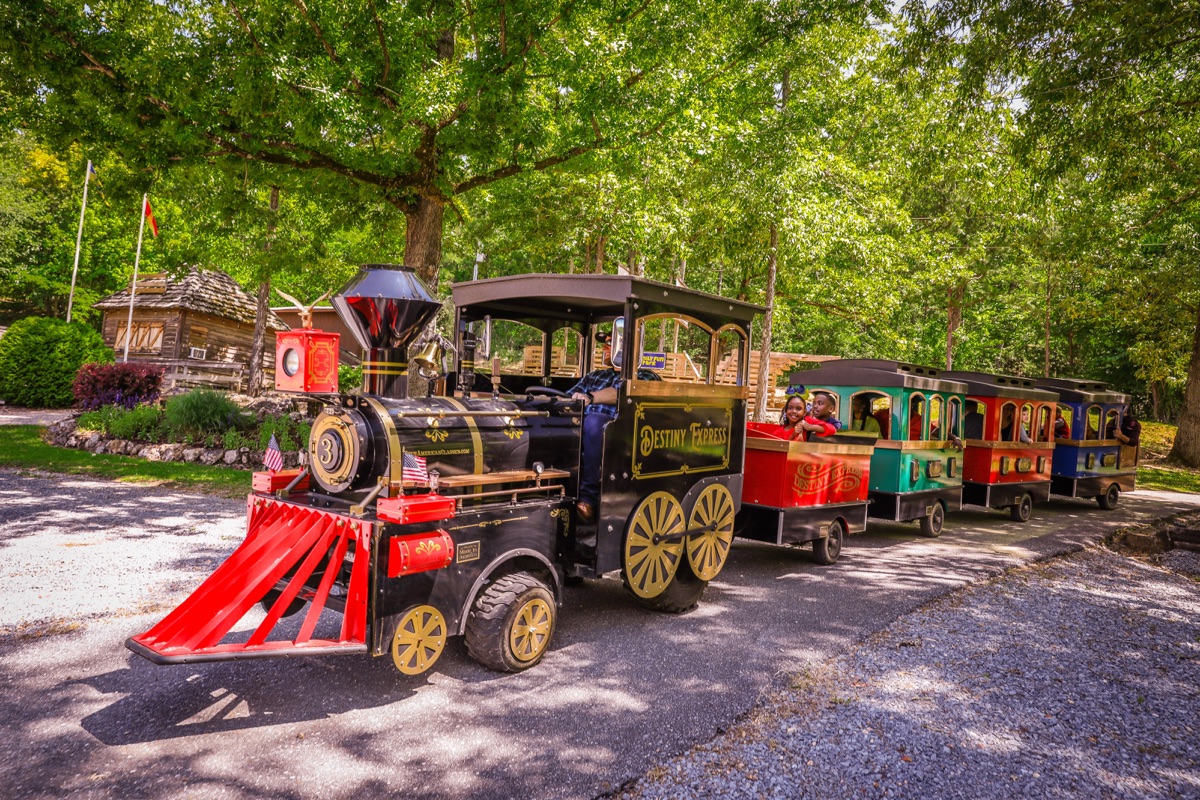
Destiny Express Train
$38/person with meal
Best Value
Legendary School
Experience
$35
Guided Caverns Tour
Maze
Panning for Gemstones
Destiny Express Train
+2 Additional Attractions
$44/person with meal
Underground Classroom
$36
Guided Caverns Tour
Maze
Panning for Gemstones
Destiny Express Train
$45/person with meal
Optional Reading for Teachers
These short articles are available for teachers who would like additional background or classroom inspiration. They are not required for your visit and are provided simply as support.
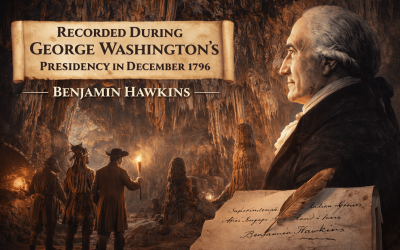
What “Recorded During George Washington’s Presidency” Actually Means (And Why It’s Accurate)
At Majestic Caverns, you may have heard this phrase: “Recorded during George Washington’s presidency.” It’s a powerful statement. It’s also one we use carefully. In an age where history is often exaggerated, misquoted, or flattened into headlines, we believe clarity...
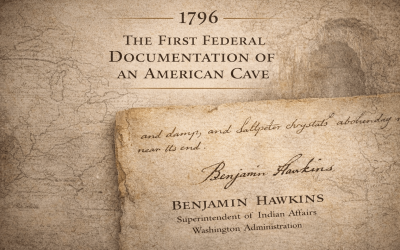
How Natural Sites Were Documented in America’s Early Republic
Natural Documentation Before Statehood In the late 1700s, the United States did not have a National Park Service, state geological surveys, or formal preservation systems. Natural sites were documented through: • Federal correspondence• Military surveys• Land...
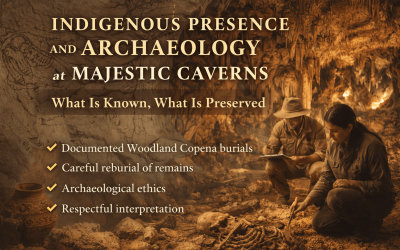
Indigenous Presence and Archaeology at Majestic Caverns
Documented Woodland Burials, Copena Culture, and Responsible Stewardship in Alabama 📜 Journalist Summary Majestic Caverns in Childersburg, Alabama contains documented Woodland-period (Copena culture) burials discovered during archaeological excavations in the 1960s....




Social Studies