

The Difference Between Memory and Record
In historical interpretation, there is a distinction between:
• Tradition
• Oral history
• Secondary retelling
• Primary documentation
Primary sources are original documents created at the time events occurred.
They form the foundation of responsible historical writing.
What Is a Primary Source?
A primary source can include:
• Letters
• Government reports
• Maps
• Military orders
• Legal documents
• Contemporary journals
These letters are preserved through the Georgia Historical Society and University of Georgia archival collections.
Why This Standard Protects Historical Integrity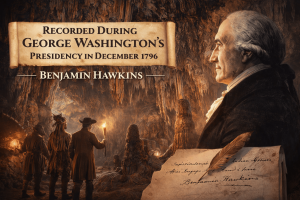
Primary documentation:
• Prevents exaggeration
• Clarifies language
• Anchors claims in preserved evidence
• Allows journalists to verify statements
For example:
It is accurate to say the cave was documented during the presidency of George Washington.
It would not be accurate to say Washington visited the cave.
Primary sources establish that boundary.
The Role of Primary Sources in America 250
As national commemorations increase public attention, journalists and educators rely on verifiable evidence.
Sites with preserved founding-era documentation are easier to interpret responsibly.
Majestic Caverns is one of those sites.
Journalist Pull Quotes
“Primary sources establish what happened, when it happened, and who recorded it.”
“The 1796 letters of Benjamin Hawkins provide documentary evidence that predates Alabama statehood.”
“Historical credibility begins with preserved documentation.”
Frequently Asked Questions
Why are primary sources important?
They provide first-hand documentation created at the time events occurred.
Are the Hawkins letters preserved?
Yes. They are archived and published through historical institutions.
Sources
Letters of Benjamin Hawkins, 1796–1806, Georgia Historical Society
University of Georgia Libraries Special Collections
Encyclopedia of Alabama – Majestic Caverns